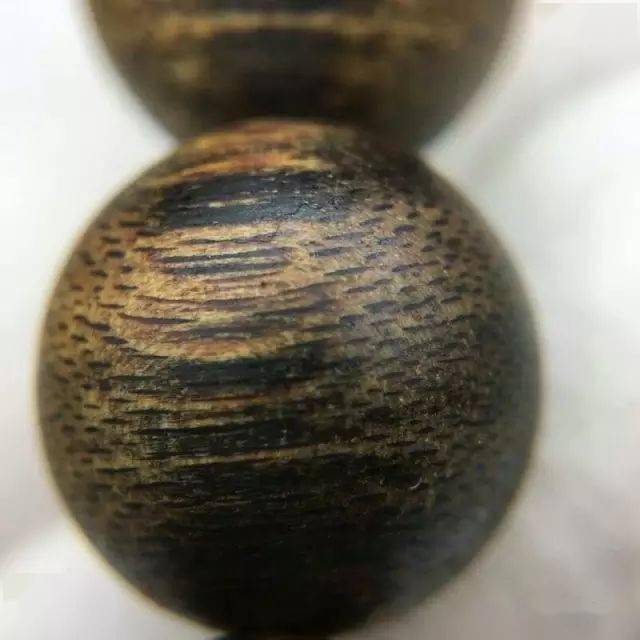
Agarwood has always been favored by the Chinese imperial court, with Qing dynasty officials using large quantities of it annually. A complete system was established for the sourcing, storage, and specific use of agarwood. Under this system, agarwood was widely used in palaces, ancestral halls, pharmacies, and other places, giving the Forbidden City of the Qing dynasty a lingering fragrance.
The Source of Agarwood in the Qing Palace
Agarwood was used frequently and in large quantities in the Qing Palace. How did this agarwood end up in the Qing court? By examining archival materials, three main sources can be identified: agarwood as tribute from tributary states, tribute from local officials, and purchases.
1. Tribute from Tributary States
The Qing Dynasty's territory expanded unprecedentedly, and most surrounding countries became its tributary states. Among them were Annam and Siam, which were rich in agarwood. Since these countries produced their own spices, they almost always presented a certain amount of agarwood as tribute in their official documents and tribute ceremonies. This was the main source of the "foreign agarwood" used in the court. Examples include: "Vietnam's annual tribute of agarwood was 600 taels," "The King of Siam sent an envoy to offer 20 catties of agarwood as a birthday gift," and "Annam respectfully presented 60 catties of agarwood as tribute in the 45th and 48th years of the Qianlong Emperor's reign." The quantities presented were substantial. The reasons for this were twofold: firstly, these countries were rich in agarwood, and under the principle of "tribute according to local conditions," agarwood was a very suitable tribute item. Secondly, the Qing court's demand for agarwood created this situation. Since ancient times, spices have been cherished by the court as precious luxury goods, and agarwood is especially favored. Therefore, the Qing court also intended to express its fondness for agarwood to its vassal states through various channels, and these states, in turn, paid tribute with large quantities of agarwood to please the Qing dynasty.
Besides the countries of origin that presented agarwood as tribute, some countries that did not produce agarwood often purchased a certain quantity as gifts to present to the Qing court. For example, in the ninth year of the Kangxi Emperor's reign (1670), the King of Italy sent envoys with a tribute, which included a certain quantity of agarwood. These countries purchased agarwood to cater to the court's fondness for spices.
Because the tributary states had limited agarwood production and frequently sent tribute, the Qing court issued an edict: "Tribute should be made according to the local produce… If other items such as agarwood are insufficient, whatever the country possesses, such as silk or brocade, may be presented. There is no need to adhere to fixed rules; it is not about the item itself, but the intention." From this edict, it is clear that the Qing court still preferred agarwood as the primary tribute item, using other items only when agarwood was insufficient.
Officials' Tribute: The tribute system in China persisted throughout ancient society. The term "tribute" originally referred to the tax system. The *Zhou Li* (Rites of Zhou) mentions "the king pays tribute daily," and *Mencius* (Mencius) records "the emperor sends officials to govern their states and collect tribute and taxes." Later, the meaning of "tribute" gradually changed, its connotation of taxation diminished, and it almost became a term exclusively for offerings from subjects or vassal states to the monarch. With the refinement of the tribute system, the "Nine Tributes" (sacrificial tribute, concubine tribute, utensil tribute, calendar tribute, material tribute, goods tribute, clothing tribute, travel tribute, and product tribute) emerged. Among these, "product tribute" specifically referred to local products offered to the central government. The *Qinding Wenxian Tongkao* (Comprehensive Examination of Documents) states, "We have carefully examined Ma Duanlin's examination of local tribute, and it is said that ancient local tribute was included in taxes and was considered part of the rent." Spices were among the precious specialties offered to the court by various regions in ancient times, exclusively for the imperial family. Regarding the origin of the tribute of incense, the earliest definite written record is found in Chang Sui's *Huayang Guozhi* (Records of the States South of the Yangtze River) from the Jin Dynasty. After King Wu of Zhou overthrew the Shang Dynasty, the tribes of Ba and Shu (Sichuan and Chongqing) offered tribute of "fish, iron, salt, copper, cinnabar, lacquer, tea, and honey…and their gardens had fragrant herbs and tea." Here, "fragrant" refers to spices like citronella.
The Qing Dynasty continued the tribute system of "tribute according to local conditions." Agarwood, a specialty of Guangdong, Guangxi, and Hainan, was required to be presented to the imperial court in a certain quantity annually. During the Qing Dynasty, local officials were responsible for procuring and transporting agarwood to the capital. For example, during the Kangxi era, the Guangdong Provincial Administration Commission was required to send 100 catties of agarwood annually; by the Qianlong era, this figure had reached 300 catties. During the Yongzheng era, the Fujian Provincial Administration Commission was required to send 100 catties of agarwood annually. The quantities of tribute were substantial. In the seventh year of the Kangxi Emperor's reign, Zhang Zhuoshi, the prefect of Yazhou, wrote to the court about the heavy burden of Yazhou's tribute of agarwood: "Moreover, the thirteen prefectures and counties under the jurisdiction of Hainan Province each contribute 100 catties of agarwood, but Yazhou alone contributes 13 catties." This shows the heavy burden of the agarwood tribute from Hainan at that time.
To reduce the disturbance to the people caused by the procurement of agarwood, in the thirty-first year of the Qianlong Emperor's reign, a special edict was issued to the local officials in Hainan: "The chief administrator, sentry officer, and headman of the Li villages should be ordered to shave the heads of the familiar Li people to prevent them from posing as native Li people and causing trouble. The annual tribute of rosewood and agarwood is usually purchased by officials who go to the Li villages to buy it. The headman of the Li villages assigns laborers to deliver the goods to the officials and collect the price, which easily causes trouble and burdens. The annual tribute quota should be made public, and the value should be pre-distributed to the chief administrator, sentry officer, and headman of the Li villages to transport the goods to avoid the trouble caused by the officials." From this material, we can glean several pieces of information: First, the main production areas of Hainan agarwood are located in the regions inhabited by the Li ethnic group, and the Qing government had full jurisdiction over these areas. Second, local officials in the Qing Dynasty were responsible for the specific procurement of agarwood, with fixed annual purchase quotas. Local governments had dedicated funds for purchasing agarwood as tribute each year, with local officials specifically in charge of the procurement, assisted by local Li chieftains. Third, the material indicates that some unsatisfactory events occurred during the procurement process, causing hardship for the local people, which is why the emperor issued an edict to "avoid the burden of official duties." During the Xianfeng era, the "Guangdong Provincial Commissioner's Salary for Transporting Agarwood Tribute" was specifically reduced to alleviate the burden on the people.
Besides the agarwood used as tribute, much other types of agarwood entered the palace. During the Qing Dynasty, the palace had numerous festivals and celebrations, and local officials would present a certain amount of agarwood to the palace during these events, such as the agarwood presented on the three major festivals (New Year's Day, Dragon Boat Festival, and Emperor's Birthday). There were also occasional tributes containing a certain amount of agarwood, such as tributes for audiences with the emperor, tributes to express gratitude, and tributes for official business. This agarwood was usually presented along with other tributes. For example, the Governor-General of Guangdong and Guangxi presented two boxes of agarwood on the Dragon Boat Festival, and the Governor of Guangdong presented twenty catties of agarwood on the same day. Besides the regular tributes, some local officials in Guangdong and Guangxi would also procure agarwood as tribute to the court. For instance, "According to a letter from the Yuanmingyuan, eunuchs Gao Yu and Wang Changgui delivered two small pieces of agarwood, weighing six catties and eight taels, accompanied by a nanmu box, presented by Mao Keming and Zheng Wusai." Also, "On the fourteenth day of the fifth month of the eleventh year of the Tongzhi reign, Governor-General Ruilin of Guangdong and Guangxi presented two boxes of agarwood." Mao Keming and Zheng Wusai served as the Left Wing Deputy Commander of Guangzhou in the tenth year of the Yongzheng reign, and Ruilin was then the Governor-General of Guangdong and Guangxi, giving them unparalleled advantages in procuring agarwood.
To reduce the disturbance to the people caused by the procurement of agarwood, in the thirty-first year of the Qianlong Emperor's reign, a special edict was issued to the local officials in Hainan: "The chief administrator, sentry officer, and headman of the Li villages should be ordered to shave the heads of the familiar Li people to prevent them from posing as native Li people and causing trouble. The annual tribute of rosewood and agarwood is usually purchased by officials who go to the Li villages to buy it. The headman of the Li villages assigns laborers to deliver the goods to the officials and collect the price, which easily causes trouble and burdens. The annual tribute quota should be made public, and the value should be pre-distributed to the chief administrator, sentry officer, and headman of the Li villages to transport the goods to avoid the trouble caused by the officials." From this material, we can glean several pieces of information: First, the main production areas of Hainan agarwood are located in the regions inhabited by the Li ethnic group, and the Qing government had full jurisdiction over these areas. Second, local officials in the Qing Dynasty were responsible for the specific procurement of agarwood, with fixed annual purchase quotas. Local governments had dedicated funds for purchasing agarwood as tribute each year, with local officials specifically in charge of the procurement, assisted by local Li chieftains. Third, the material indicates that some unsatisfactory events occurred during the procurement process, causing hardship for the local people, which is why the emperor issued an edict to "avoid the burden of official duties." During the Xianfeng era, the "Guangdong Provincial Commissioner's Salary for Transporting Agarwood Tribute" was specifically reduced to alleviate the burden on the people.
Besides the agarwood used as tribute, much other types of agarwood entered the palace. During the Qing Dynasty, the palace had numerous festivals and celebrations, and local officials would present a certain amount of agarwood to the palace during these events, such as the agarwood presented on the three major festivals (New Year's Day, Dragon Boat Festival, and Emperor's Birthday). There were also occasional tributes containing a certain amount of agarwood, such as tributes for audiences with the emperor, tributes to express gratitude, and tributes for official business. This agarwood was usually presented along with other tributes. For example, the Governor-General of Guangdong and Guangxi presented two boxes of agarwood on the Dragon Boat Festival, and the Governor of Guangdong presented twenty catties of agarwood on the same day. Besides the regular tributes, some local officials in Guangdong and Guangxi would also procure agarwood as tribute to the court. For instance, "According to a letter from the Yuanmingyuan, eunuchs Gao Yu and Wang Changgui delivered two small pieces of agarwood, weighing six catties and eight taels, accompanied by a nanmu box, presented by Mao Keming and Zheng Wusai." Also, "On the fourteenth day of the fifth month of the eleventh year of the Tongzhi reign, Governor-General Ruilin of Guangdong and Guangxi presented two boxes of agarwood." Mao Keming and Zheng Wusai served as the Left Wing Deputy Commander of Guangzhou in the tenth year of the Yongzheng reign, and Ruilin was then the Governor-General of Guangdong and Guangxi, giving them unparalleled advantages in procuring agarwood.
Besides local officials from Guangdong, Guangxi, and Fujian provinces who presented agarwood as tribute, officials from non-agarwood-producing areas also purchased agarwood and presented it to the court to cater to its preferences. For example, on the tenth day of the first month of the third year of the Yongzheng Emperor's reign, "the chief eunuch Zhang Qilin delivered a piece of agarwood weighing twenty-one catties, presented by Han imperial guard Lin Zucheng, with the imperial decree: 'Accept this by imperial order.'" Another example is, "on the twenty-sixth day of the first month of the fiftieth year of the Kangxi Emperor's reign, Han Zhongli delivered two pieces of agarwood, presented by Wu Suozhu, the head of Efangzhuang Village, one weighing thirty-nine taels and the other twenty-eight taels. On the third day of the eleventh month of the sixtieth year, the Emperor inspected them and delivered them to the Yangxin Hall." Most of the agarwood presented by officials from the capital or other non-agarwood-producing areas was purchased from shops.
Besides accepting tribute agarwood, Qing officials would also dispatch relevant officials to purchase it for their own use. The agarwood used within the Qing court was typically procured and delivered by officials from the Guangchu Department's Tea Warehouse, which managed spices. In addition, some imperial merchants would also procure agarwood for the palace. For example, during the Qianlong era, the chief merchant Hong Chong purchased "98 catties of top-grade agarwood for 334 taels of silver and 20 catties of second-grade agarwood for 12 taels of silver" between the 24th and 26th years of Qianlong's reign. During the Kangxi era, due to excessive procurement of agarwood, an imperial edict was issued to regulate its purchase: "For example, the amount of agarwood used by the emperor is 200 catties annually, which is more than enough. The amount procured now is several times greater. All such items must be investigated and purchased in accordance with regulations." Throughout the Qing dynasty, the quantity of agarwood procured was not very large, and most of it was concentrated in the early period. In the later period, due to limitations in national finances, the quantity of agarwood procured was relatively limited.
The Management of Agarwood in the Qing Dynasty
During the Qing Dynasty, a large quantity of agarwood was collected and stored in the imperial palace. As an organic material, agarwood required high standards for its preservation. The Qing palace had specialized warehouses for storing agarwood. According to archival records, these were mainly the Tea Warehouse of the Guangchu Department, the Pigment Warehouse of the Ministry of Revenue, and the Warehouse of the Imperial Workshops. The Tea Warehouse and Pigment Warehouse stored agarwood from various vassal states, local tributes, and purchases by imperial merchants, while the Warehouse of the Imperial Workshops mainly stored agarwood from irregular tributes by local officials and agarwood used in the workshops.
1. Tea Warehouse of the Guangchu Department
The Tea Warehouse was the main institution in the Qing palace for storing agarwood. The *Da Qing Hui Dian* records: "The Tea Warehouse, approved in the 28th year of the Kangxi Emperor's reign, was established separately within the Fur and Satin Warehouses, responsible for storing tribute tea, ginseng, gold thread, velvet, paper, incense, and other items." The "Regulations of the Imperial Household Department" states that "the Tea Warehouse is responsible for storing ginseng, tea, incense paper, wool thread, tassels, pigments, and other items." This shows that storing these items was the Tea Warehouse's primary function. The Tea Warehouse was also responsible for storing spices presented as tribute by vassal states, such as the "agarwood and incense delivered to the Tea Warehouse" presented by Nguyen Phuc Kieu, the successor king of Vietnam, in the first year of the Daoguang Emperor's reign.
The tea storehouse was located in the west wing of the right-wing gate, with a south-southwest wing inside the Taihe Gate and an east-southwest wing inside the Zhongzuo Gate. It was under the jurisdiction of the Guangchu Division of the Imperial Household Department. The internal management of the tea storehouse underwent several changes during the Qing Dynasty, which can be divided into three stages: early, middle, and late, representing the process from its establishment to its final perfection. Compared to the early stage, the middle stage added some management personnel, including one assistant director, two treasurers, and four supervisors, while the later stage reverted to the early personnel configuration. This change in personnel configuration corresponds to the changes in the Qing Dynasty's national strength. In the early Qing Dynasty, the country was still unstable, and daily consumption in the palace was relatively frugal. As the national strength gradually increased, by the mid-Qing Dynasty, the supply to the palace gradually reached its peak, and the use of consumer goods such as agarwood increased, leading to the corresponding expansion of the institutions and management personnel. In the later stage, with the decline of national strength, the tea storehouse also became smaller.
Qing officials stored the collected agarwood in the tea warehouse for future use. For example, "On the eleventh day, Prince Yi selected one piece of first-grade agarwood, weighing two catties and eleven taels, one piece of second-grade agarwood, weighing four catties and three taels, and another piece of second-grade agarwood, weighing four catties and six taels, from the warehouse and presented them for inspection." According to the archival records, when the Qing court used agarwood, it would be drawn from the tea warehouse and its use would be determined according to actual needs.
The Ministry of Revenue's Pigment Warehouse
During the Qing Dynasty, the pigment warehouse under the Ministry of Revenue was also responsible for storing some of the agarwood presented as tribute. The *Collected Statutes of the Qing Dynasty* records that the pigment warehouse "stored all copper, iron, lead, tin, cinnabar, litharge, agarwood, sandalwood, yellow tea, white wax, yellow wax, paper, tung oil, and woods such as rosewood and purple elm that were presented to the provinces." In the Qing Dynasty, most of the agarwood presented as tribute from the southern provinces went into the pigment warehouse. For example, the 300 catties of agarwood presented annually by the Guangdong Provincial Governor went directly to the Ministry of Revenue's pigment warehouse. The pigment warehouse was responsible for "distributing various items; if the warehouse had sufficient storage, distribution would cease; if insufficient, more would be taken, with the quantity increasing or decreasing annually without a fixed schedule." Throughout the Qing Dynasty, the quantity of agarwood stored in the pigment warehouse was quite large. Regarding the management of the pigment warehouse, "In the sixteenth year of the Kangxi Emperor's reign, it was stipulated that the pigment warehouse was under the management of the Inner Palace Office, with two inspectors, twenty-eight warehouse workers, and forty-one craftsmen." The number of personnel in this warehouse varied slightly in subsequent dynasties, but the overall structure remained largely unchanged. When Qing officials used agarwood, they would obtain it from the pigment warehouse. For example, "On the sixth day, the chief eunuch Cheng Guoyong reported that Prince Yi had decreed that there was good agarwood in the pigment warehouse; select a few pieces for use."
In the thirty-eighth year of the Qianlong Emperor's reign, an official in the tea warehouse was punished for delaying the distribution of agarwood, and instead, the official obtained it from the pigment warehouse of the Ministry of Revenue. "On the 16th, the Imperial Household Department respectfully reported that, regarding the matter reported by the Imperial Workshops, it was found that the sandalwood and other Buddhist artifacts were approved for production in the first month of the 37th year of Qianlong's reign. However, the incense was delayed, and it was only received in the eighth month. The delay was more than 51 days beyond the deadline for the production, and more than 76 days beyond the deadline for the warehouse. The delays in the production and warehouses of the Imperial Workshops have been recorded according to the number of days. As for the Guangchusi Tea Warehouse, due to a lack of agarwood blocks, a document was submitted on the 23rd of April and forwarded to the Ministry of Revenue on the 13th of June. The Ministry of Revenue finally received the agarwood on the 6th of July and distributed it to the Imperial Workshops, also more than 30 days beyond the deadline. The delays by the officials of the Guangchusi Tea Warehouse have been handed over to the Imperial Household Department." In addition to the investigation, the Imperial Workshop was ordered to suspend the purchase of silver at the agreed price. Furthermore, the supervisors Shu Ming'a and Ying Min, who had failed to comply, and the warehouse official Lang Zhong Guanzhu were each fined three months' salary, while the administrative officials Jin Hui and Zhu Erhang'a were each fined six months' salary… From this document, we can glean the following information: First, the use of incense in the palace was ordered by the emperor, with responsible officials retrieving incense from the warehouse; second, the palace had clear regulations on the limits of delay in the management of incense, and the punishment for violations was very strict; third, the tea warehouse and pigment warehouse, as the main storage and management institutions for agarwood in the palace, complemented each other in function due to their similar storage practices.
The Imperial Workshop's Storeroom
During the Qing Dynasty, much of the agarwood presented as tribute by local officials during irregular periods went directly into the Imperial Workshop's storeroom. Because the Imperial Workshop produced a large quantity of agarwood artifacts, its agarwood came not only from the tea warehouse but also significantly from its own storeroom. Regarding the Imperial Workshop, the *Collected Statutes and Precedents of the Qing Dynasty* records, "Initially, an Imperial Workshop was established in the Hall of Mental Cultivation, with no fixed number of ministers in charge, four supervisors, and one scribe. In the 29th year of the Kangxi Emperor's reign, a scribe was added." The Imperial Workshop was responsible for "the production of various items for the inner court."
Archival records indicate that a small amount of agarwood was stored in the Imperial Workshop's storeroom for use as materials. Let's look at a few records from the third year of the Yongzheng Emperor's reign as examples: "On the eighth day, eunuchs Zhang Yuzhu and Wang Taiping delivered a piece of agarwood, weighing sixteen taels and seven mace, in a brocade box. It was presented by Governor-General Kong Yu. An imperial decree ordered it to be delivered to the Imperial Workshops." "On the seventh day, Assistant Minister Haiwang brought out a piece of agarwood, weighing seven jin. An imperial decree ordered it to be examined to determine if it was agarwood or fennel, and to be clearly distinguished. It was also to be stored in the Imperial Workshops' warehouse." "On the twenty-fifth day, eunuch Wang Taiping delivered two pieces of agarwood, weighing two jin and eight taels. An imperial decree ordered it to be delivered to the Imperial Workshops for safekeeping." From these records, we can see that this agarwood entered the palace along with other tribute items, not into the tea warehouse of the Guangchu Department or the pigment warehouse of the Ministry of Revenue, but directly into the Imperial Workshops' warehouse according to the emperor's decree. Besides the agarwood that went directly into the storerooms, some agarwood removed from the palace was also often handed over to the Imperial Workshops for storage. For example, "On the 20th, according to a letter from the Yuanmingyuan, the eunuch Zhang Yuzhu delivered to the five eastern rooms of the Qin Zheng Hall, containing a piece of agarwood weighing 13.5 taels, a piece of agarwood weighing 8 taels, a piece of agarwood weighing 6.5 taels, all in a tin box; a piece of agarwood weighing 1.1 jin, a piece of agarwood weighing 3.2 jin, and a piece of agarwood weighing 1.1 jin. The imperial decree ordered that it be properly stored in the Yangxin Hall." This agarwood removed from the Qin Zheng Hall went directly into the storerooms of the Imperial Workshops in the Yangxin Hall, without being handed over to the tea or pigment storage. This shows that the Imperial Workshops in the Yangxin Hall stored a certain amount of agarwood for future use.
The Use of Agarwood in the Qing Palace
Agarwood, as a commonly used fragrance, was widely used in the Qing Palace. Archival records show that its use mainly focused on several aspects, including monthly allowances, various sacrificial activities, incense blending, medicinal applications, bestowal of gifts, and the making of objects. Let's examine these in detail:
1. Monthly Allowances of Agarwood
Monthly allowances were an important part of the Qing officials' use of agarwood. "The amount of agarwood distributed to various places each month was reported monthly, and reimbursed monthly, with a return report submitted annually." Empress Dowagers and Empresses in the inner palace all had monthly allowances of agarwood. For example, "Empress Dowager Cixi used four ounces of medium-grade agarwood monthly," and Empress Dowager Longyu used "four ounces of medium-grade agarwood monthly." "According to imperial decree, it was found that the four ounces of agarwood used by the Empress were indeed part of her monthly allowance." During the Jiaqing reign, the Empress's agarwood expenses began to be recorded in the monthly ration book. The imperial edict stated, "It has been discovered that the Empress's four ounces of agarwood, which was previously recorded in the blue register and not included in the monthly ration book, is now being used instead of the blue register due to the lack of agarwood in the blue register. Therefore, it is being recorded in the monthly ration book. This report was submitted on the 29th day of the first month of the eighth year of Jiaqing's reign. The imperial edict replied: 'Understood, this is the imperial decree.'"
Besides the concubines, some important palaces also had monthly agarwood allowances. Taking the agarwood usage of various palaces from the 1st to the 29th day of the tenth month of the third year of Xuantong's reign as an example, "The Fengxian Hall received four catties, twelve ounces, and two mace of top-grade agarwood as a monthly allowance." The monthly allowance for agarwood was as follows: Three ounces of medium-grade agarwood for the Heavenly Vault Hall, two ounces for the Qin'an Hall, one mace for the Cining Palace Buddhist Hall, one mace for the east and west side halls of the Cining Palace, one mace for the east warm pavilion of the Shou Kang Palace, eight mace for the Yangxin Hall, four mace for the Yinghua Hall, and four ounces for the Imperial Garden. From the 15th of the tenth month to the 14th of the first month of the following year, one pound of superior-grade agarwood was used for offerings to the Fengxian Hall. The total amount of superior-grade agarwood was five pound, twelve ounces, two mace, and nine fen, and medium-grade agarwood was fifteen ounces and five mace. This shows that even in the late Qing Dynasty, the amount of agarwood used in the palaces was considerable. During the Qing Dynasty's heyday, the amount of agarwood used in the palaces was even greater, and due to insufficient supply, the amount of agarwood used in some palaces had to be reduced. Before the thirty-seventh year of the Qianlong reign, the 47 palaces and temples in the imperial court that used agarwood used a total of 105 catties, 10 taels, 2 mace, and 9 fen of agarwood. After reductions, 69 catties, 4 taels, 4 mace, and 9 fen remained. I have compiled statistics on the reductions. It was mainly the agarwood used in some royal temples and Buddhist activities, while the monthly allowances for places such as the Empress Dowager's Palace, Anyou Palace, and Cining Palace Buddhist Hall were not reduced. "Furthermore, the original quotas for agarwood used in Cining Palace Buddhist Hall and other four places were still reasonable and should be disbursed as before without reduction. The amount of agarwood used in other places was too large and wasteful. Now, the amount burned in each place should be reduced accordingly. As for Yongmu Temple and other places in the outer perimeter, since sandalwood and agarwood are burned, the use of agarwood should be completely reduced."
Incense
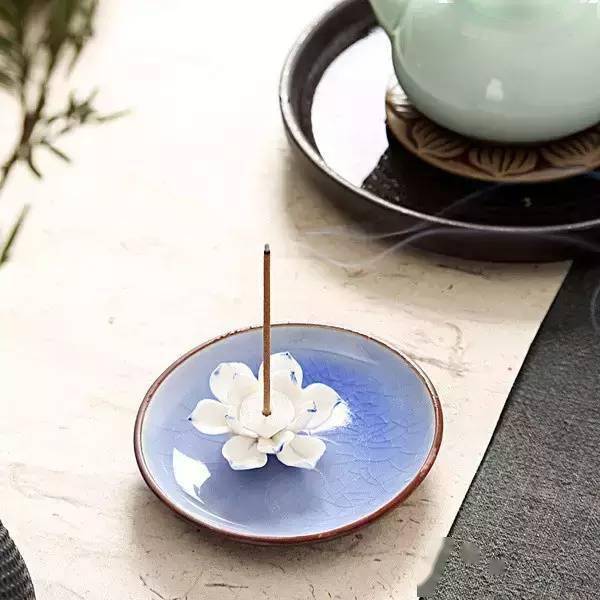
Agarwood, as a fragrance, is most commonly used in the form of burning incense. The Song Dynasty had a saying: "A single ounce of agarwood can consume an entire day, while a few pages of books are worn away by bookworms as the night draws to a close." When Qing Dynasty officials used agarwood, they would often split it into small pieces and place them in incense burners to purify the room. For example, "The physician Bai Shixiu reported that Chief Steward Wang Cheng had delivered eight pieces of agarwood, and an imperial edict ordered the incense-cutter to do so. The incense-cutter was obtained and delivered on the 21st of this month." Another example is: "The storekeeper Si De and Wu De reported that Chief Steward Zhao Jinzhong had delivered a piece of agarwood weighing ninety taels, and an imperial edict ordered the incense-cutter to do so. On the 2nd day of the intercalary third month, the storekeeper Si De, Wu De, and scribe Fu Qing split the piece of agarwood into small pieces weighing eighty-four taels and delivered them to the eunuch Hu Shijie to present to Wang Cheng." According to archival records, besides these temporarily made incense sticks, the imperial court often prepared incense sticks in advance for various festivals. For example, on the 21st day of the 12th month of the seventh year of the Yongzheng reign (1728), for the Double Ninth Festival, "the Imperial Secretary Haiwang and the Assistant Imperial Secretary Manpi prepared eight ounces of agarwood sticks; eight ounces of purple sandalwood sticks; eight ounces of fennel; eight ounces of rue; and one batch of large palace incense cakes, totaling nine hundred pieces, as recorded."
Besides directly using incense sticks, Qing officials also frequently used agarwood as the main ingredient in large-scale blended incense. "The method of blending incense is to make all the fragrances blend together." The *Chen's Incense Manual* records some incense blending recipes using agarwood, such as "one ounce of agarwood, storax and incense, then add the incense to oil, seal and soak for one hundred days, then mature." Qing officials generally used agarwood as the main ingredient in their blended incense, combined with musk, frankincense, etc., to make incense cakes, such as "the Assistant Imperial Secretary Manpi prepared two catties of three-colored palace incense cakes for the Dragon Boat Festival." In Qing dynasty palaces, such as the Hall of Mental Cultivation and the Empress Dowager's Palace, the monthly offerings of agarwood were generally used for incense burning. Numerous Qing dynasty paintings depict small incense burners on the tables of the emperor and his consorts. For example, in the painting "Portrait of Empress Dowager Cixi in Buddhist Attire," the wisps of smoke from the exquisitely crafted Xuande-style bronze incense burner beside Cixi enhance her ethereal beauty as she portrays Guanyin. These small incense burners contained agarwood and similar spices, used daily for incense burning.
Medicinal Use
Agarwood is a rare medicinal material that regulates qi and invigorates blood circulation. It has effects such as lowering qi and relieving dryness, warming the kidneys and nourishing the spleen, and regulating qi. Since ancient times, it has been used to prepare various medicines, such as agarwood pills and agarwood powder. The Qing Dynasty had two institutions for producing medicines: the Imperial Pharmacy and the Imperial Household Department's Manufacturing Office. The Imperial Pharmacy was responsible for processing the medicinal materials needed by the palace and manufacturing various medicines, ensuring and managing the palace's medicine supply. The Manufacturing Office's medicine workshops and ingot workshops also prepared some medicines. In Qing Dynasty pharmacies, agarwood was used as an ingredient in medicines, generally for preparing and processing medicinal materials. For example, in the thirty-seventh year of the Qianlong Emperor's reign, "an investigation revealed that the agarwood received by the pharmacy lacked clear accounting. According to the reports of the officials there, three catties of agarwood had been received from the Guangchu Department's tea warehouse the previous year. Ten taels of agarwood were used in preparing ten batches of Ping'an Dan, eight mace of agarwood in four batches of Sanshen Xiang, three taels of agarwood in ten batches of Binglang Yao, one tael of agarwood in one batch of Suhe Wan, and one mace of agarwood in one batch of Meihua Dianshe Dan." In addition to the use of agarwood in the imperial pharmacy, "one catty, three taels, four mace, and three fen of agarwood were used in the prescriptions for preparing pills and medicines from various places in Qianqing Palace, Yuanmingyuan, and Jingshan in the Southern Palace." A total of two catties, two taels, three mace, and three fen of agarwood were used in these two places. The pharmacy mainly prepared pills, powders, ointments, and elixirs for the emperor and empress's daily use. The Imperial Workshops were primarily responsible for preparing pills and medicines for military use, such as the Peace Pills prepared by the Qing court, which used a large amount of agarwood (including agarwood and sinking sandalwood) every year. For example, in the sixth year of the Yongzheng Emperor's reign, 89,700 Peace Pills were used as rewards for generals fighting in the northwest, demonstrating the sheer quantity involved.
Use in Sacrificial Rites
Qing officials widely applied agarwood to various sacrificial occasions. "For each annual sacrifice, the required quantities of agarwood, sandalwood, and other types of incense, as well as charcoal cakes, are fixed. The temple, through its official documents, requests the Ministry of Revenue to procure cylindrical agarwood, agarwood cakes, sandalwood cakes, incense blocks, and cylindrical incense charcoal cakes." Besides sacrifices, large quantities of agarwood were also used in various Buddhist offerings. For example, "According to the imperial eunuch Wang Jinyu, the chief eunuch of the Yuanmingyuan, a decree was issued that agarwood should be used for offerings before the Buddha in the Yuanmingyuan, therefore, one jin and eight liang of agarwood should be procured." "Agarwood for all parts of the inner court and surrounding temples, as well as other places, should be obtained from the Guangchu Department's tea warehouse and distributed by the Ministry." Let's take the Fengxian Hall as an example.
The Fengxian Hall was rebuilt in the thirteenth year of the Shunzhi reign of the Qing Dynasty. It was the ancestral temple for the imperial court to worship the emperor's ancestors, and to enshrine the spirit tablets of past saints and empresses. On the first and fifteenth days of the lunar month, the emperor's birthday, New Year's Day, winter solstice, and major national celebrations, the spirit tablets of the past saints were respectfully offered sacrifices in the front hall. On the beginning of spring, the Dragon Boat Festival, the Double Ninth Festival, and the eighth day of the fourth lunar month, incense and lamps were placed in the rear hall of the Fengxian Hall. During the Yongzheng reign, the monthly offerings in the Fengxian Hall used medium-grade agarwood. For example, in December of the second year of Yongzheng's reign, "the monthly offerings in the Fengxian Hall used two catties, ten taels, and five mace of medium-grade agarwood." By the Qianlong reign, the incense used for daily offerings in the Fengxian Hall had changed to high-grade agarwood. "Only the Fengxian Hall and the Shouhuang Hall required high-grade agarwood, while the agarwood used in other places was of medium grade. The amount of agarwood distributed to each place was reported monthly, and the amount was reimbursed monthly. The reimbursement was also reported annually, and this practice was followed year by year." The offerings of silk and agarwood used in the Fengxian Hall were delivered in accordance with the prescribed dates. The agarwood and purple sandalwood used for the annual offerings and festivals were delivered three times a year on the 15th of the first, sixth, and tenth lunar months. The Fengxian Hall used 3.95 jin of top-grade agarwood annually as a monthly allowance, 1.325 jin of top-grade agarwood for the five annual ancestral sacrifices, and 6.12 jin of top-grade agarwood for annual offerings, totaling 11.875 jin of agarwood. Besides these regular sacrifices, there were also irregular sacrifices. Starting from the eleventh year of the Yongzheng Emperor's reign, the ritual for offering incense at the grand ceremonies of the Fengxian Hall was established. For example, "In the first month of the first year of the Jiaqing Emperor's reign, a grand ceremony was held, and the Emperor Emeritus went to the Fengxian Hall to perform the rites." "The incense used in these irregular sacrifices was also mainly agarwood. Therefore, it can be inferred that the Fengxian Hall used no less than 12 jin of agarwood annually, a considerable amount."
Gifts
Agarwood, as a rare fragrance, has been revered by nobles since ancient times. Qing Dynasty emperors often bestowed agarwood upon their officials or princes as a bond of goodwill. For example, Ortai, one of the three most famous ministers during the Yongzheng Emperor's reign, received numerous gifts of agarwood from the emperor. One record states, "On the fifteenth day of the eleventh month of the seventh year of Yongzheng's reign, I presented my family with a memorial, and received ten taels of silver as a gift. The emperor immediately sent back eight bolts of silk, a box of agarwood, a box of milk cakes, and a box of dried fruit."
Agarwood used as a gift was often presented in the form of objects, such as, "The agarwood has its uses; the agarwood rosary with beeswax, gold flecks, and glass is to be solemnly bestowed upon the Mongolian prince." In September of the eighth year of Guangxu's reign, the Qing court "sent the resident minister in Tibet, Serenge, to pay respects to the Panchen Lama, bestowing upon him five thousand taels of silver for funeral expenses, as well as items such as python robes, hada scarves, and a string of imperial beeswax rosaries and a plate of agarwood court beads..." For example, on the eighth day of the sixth month of the fifth year of the Xuantong reign, "the chief steward Qianhe conveyed that the mother of the Ronghui Imperial Noble Consort had bestowed a small sandalwood thumb ring." Whether it was a rosary or a thumb ring, such a small sandalwood object was very appropriate as a reward.
Made Objects
The archives of the Qing Dynasty Imperial Workshops contain numerous records of agarwood-made items, reflecting the emperor's fondness for agarwood at the time. Compared to agarwood itself, agarwood objects are relatively small, mostly playthings. According to the archives, the main objects fall into two categories: practical objects, primarily small items such as prayer beads and hand warmers; and decorative objects, such as incense burners, vases, and bases. Let's examine them in detail:
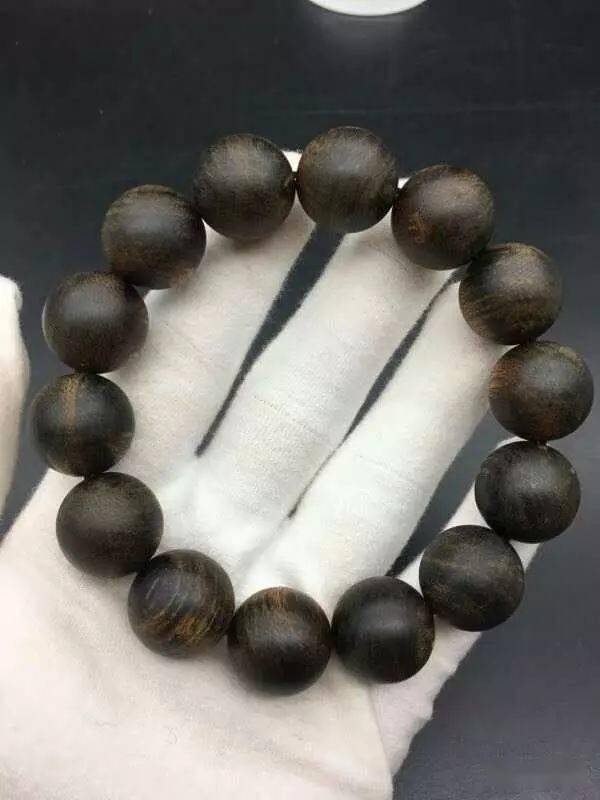
(1) Practical Objects. Agarwood objects made in the Qing court were mostly prayer beads and hand warmers, with court beads being particularly prevalent. For example, on the 20th day of the tenth month of the eighth year of the Yongzheng reign, "the chief eunuch Samukha, the head of the Treasurer Changbao, reported that the Palace Supervisors Chen Fu, Liu Yu, Li Ying, and the eunuch Wang Changgui had delivered a piece of agarwood weighing five jin and four liang. It was presented by Governor Ebida, and an imperial edict was issued to have it made into prayer beads by the Imperial Workshop. On the 17th day of the twelfth month, five strings of prayer beads were selected from the five jin and four liang of agarwood. One string weighed two liang and eight qian, one two liang and six qian, one two liang and five qian, one two liang and two qian, and one two liang, for a total weight of twelve liang and one qian. Five liang and nine qian were wasted, and four jin and three liang of incense powder were returned. The chief eunuch Li Jiuming and Samukha took it away." Another example is on the 8th day of the fifth month of the seventh year of the Yongzheng reign, "the eunuch Wang Changgui delivered a piece of agarwood weighing twenty-seven liang, which was placed in a tin box. An imperial edict was issued to have it made into prayer beads. There are many similar records. From these archives, we can find the following information: First, the beads themselves were relatively small in weight, with the heaviest not exceeding three ounces. Second, the imperial court had a complete system for making agarwood artifacts, with clear records of where the incense was obtained, how much was made, how much was used, and how much residual incense powder was returned.
For example, regarding hand warmers, there is an inscription: "On the 12th, Prince Yi delivered a pair of amber mandarin duck hand warmers and a piece of second-grade agarwood, weighing four catties and six taels. The Prince ordered that this agarwood be used to make two more hand warmers in the same style as the amber mandarin ducks. The remaining agarwood should be used as appropriate." Another inscription reads: "On the 9th day of the first month of the 14th year of Qianlong's reign, Vice Minister Cui Zongfu Bao delivered a document to the Treasurer, Lang Zheng Peirui Bao, dated the 23rd day of the 12th month of the 13th year of Qianlong's reign. The eunuch Fucheng reported that the eunuch Hu Shijie had conveyed an imperial edict to make another pair of agarwood oriole and bear hand warmers. If the incense was insufficient, it should be stored in the agarwood collection of the Imperial Workshops for selection." From the entire production process, it is clear that the production was entirely based on the Emperor's personal preferences.
(2) Decorative Objects. The Qing Dynasty court sometimes used agarwood to make decorative objects, such as incense burners, vases, and other similar items. Sometimes, agarwood was also used as accessories for decorative objects. For example, "On the 24th, the eunuch Wang Taiping delivered a piece of agarwood, two inches long and six-tenths of an inch in diameter, instructing that a spoon-and-chopstick vase be made, along with one set of spoons and chopsticks in the color of an old ibis. This is recorded." "On the 20th of June, one set of agarwood spoon-and-chopstick vase was made, with one set of spoons and chopsticks in the color of an old ibis, and the messenger Bai Shixiu delivered it to the eunuch Wang Taiping." Judging from the size of this piece of agarwood, the spoon-and-chopstick vase must have been relatively small, very elegant, and suitable for indoor display. The *Qing Palace Furnishings Archives* also contains many records of agarwood items displayed in the palace, such as "a piece of agarwood double-bean-shaped incense" in the Yanxi Hall, and "a two-layered rectangular box with carved lacquer in the West Warm Pavilion of the Yangxin Hall, the first layer containing a plate of agarwood beads."
There are also numerous records of agarwood being used to make accessories for display, such as "On the 17th day of the first month of the first year of Qianlong's reign, the eunuch Mao Tuan delivered a piece of agarwood and a green bronze bell. The imperial edict stated: 'The green bronze bell should be fitted with a stand, and the agarwood with a base.' On the 5th day of the second month of the same year, a piece of agarwood was fitted with a sandalwood stand, and the treasurer Liu Shanjiu, a seventh-rank official, delivered it to the eunuch Mao Tuan." From this record, it can be seen that during the Qianlong era, whole pieces of agarwood were used as decorative items, and a sandalwood base was specially made for them.
Disposal of Surplus Agarwood
Qing officials mainly dealt with surplus agarwood in two ways: one was to sell it at a price, and the other was to use it as a substitute.
(1) Selling at a price. A portion of the large amount of tribute stored in the six warehouses of the Guangchu Department was disposed of each year. This was done by selling items that were not consumed in the palace to the public to obtain cash for other expenses. During the Qing Dynasty, the Chongwen Gate Supervisor sold surplus items from the six warehouses of the Guangchu Department on behalf of the Imperial Household Department. The sale of agarwood by Qing officials was handled by the Chongwen Gate Supervisor. For example, on the first day of the sixth month of the fifth year of the Daoguang reign, among the items submitted by the tea warehouse to the Chongwen Gate Supervisor for sale were "2,500 catties of Lu'an tea, two fen of silver per catty; and 1,800 catties of agarwood, five fen of silver per catty." Because agarwood was a luxury item, selling it was often not easy. For example, in the thirty-seventh year of the Qianlong reign, an official submitted a memorial stating: "On the eighth day, the Imperial Household Department submitted a memorial requesting a reduction in the amount of incense. The Ministry of Revenue's three treasuries reported that, in the past, the use of agarwood in various places, apart from the top-grade agarwood, was completely exhausted each year, while the middle-grade agarwood often accumulated unused. Therefore, last year, Lu Jing submitted a memorial to the Chongwen Gate for sale, but because it is not a commonly used item among the people, no one has yet purchased it."
As a substitute. Due to the large surplus of medium-grade agarwood and the fact that its sale was often not very smooth, the imperial court used some of the surplus agarwood to replace other types of incense. For example, in October of the thirty-seventh year of Qianlong's reign, because the surplus agarwood could not be sold, Qianlong ordered that it be handed over to the Guangchu Department to replace the incense used in forty-two palaces, including the Tianqiong Hall and the Yuanmingyuan Garden. "On October 24th, it was found that 515 catties of agarwood were delivered to Chongwen Gate on the same day as the imperial decree, to offset the amount of incense needed for 42 locations including the Tianqiong Palace. This was sufficient for one year's use, with a surplus of over 20 catties. If the amount of incense purchased from 35 locations including the Yuanmingyuan Buddhist Pavilion were also used to offset this surplus, it would not be enough for one year's use." "By imperial decree, the 515 catties of agarwood stored at Chongwen Gate shall be handed over to the Guangchu Department. Subsequently, the incense-receiving locations within the palace, such as the Yuanmingyuan Garden, shall issue this agarwood to offset their use. When the surplus is exhausted, more incense will be issued, with a certain number of catties needed each year. This amount of agarwood should be sufficient for several years' use. This matter shall be investigated and reported to the emperor." Using surplus agarwood to replace incense could maximize its remaining value.
-------------------------------------------------------------------------------------------------------------------------
Trầm hương từ lâu đã được triều đình Trung Quốc ưa chuộng, các quan lại triều đại nhà Thanh sử dụng một lượng lớn hàng năm. Một hệ thống hoàn chỉnh đã được thiết lập cho việc khai thác, lưu trữ và sử dụng trầm hương đúng cách. Theo hệ thống này, trầm hương được sử dụng rộng rãi trong cung điện, nhà thờ tổ tiên, hiệu thuốc và các nơi khác, tạo nên hương thơm lưu lại lâu dài cho Tử Cấm Thành thời nhà Thanh.
Nguồn gốc trầm hương trong cung điện nhà Thanh
Trầm hương được sử dụng thường xuyên và với số lượng lớn trong cung điện nhà Thanh. Vậy trầm hương này đến cung đình nhà Thanh bằng cách nào? Qua việc nghiên cứu các tài liệu lưu trữ, có thể xác định ba nguồn chính: trầm hương cống nạp từ các nước chư hầu, cống nạp từ các quan lại địa phương và mua bán.
1. Cống nạp từ các nước chư hầu
Lãnh thổ nhà Thanh mở rộng chưa từng có, và hầu hết các nước xung quanh đều trở thành nước chư hầu. Trong số đó có An Nam và Xiêm, những nơi giàu trầm hương. Vì các nước này tự sản xuất gia vị nên họ hầu như luôn cống nạp một lượng trầm hương nhất định trong các văn bản chính thức và các nghi lễ cống nạp. Đây là nguồn chính của "trầm hương ngoại" được sử dụng trong cung đình. Ví dụ như: "Cống phẩm trầm hương hàng năm của Việt Nam là 600 lượng", "Vua Xiêm phái sứ dâng 20 cân trầm hương làm quà sinh nhật", và "An Nam cung kính dâng 60 cân trầm hương vào năm thứ 45 và 48 triều đại Càn Long". Số lượng cống phẩm rất lớn. Có hai lý do cho điều này: thứ nhất, các quốc gia này giàu trầm hương, và theo nguyên tắc "cống phẩm theo điều kiện địa phương", trầm hương là một vật phẩm cống phẩm rất thích hợp. Thứ hai, nhu cầu trầm hương của triều đình nhà Thanh đã tạo ra tình trạng này. Từ thời xa xưa, gia vị đã được triều đình trân trọng như những mặt hàng xa xỉ quý giá, và trầm hương đặc biệt được ưa chuộng. Do đó, triều đình nhà Thanh cũng muốn thể hiện sự yêu thích trầm hương của mình với các nước chư hầu thông qua nhiều kênh khác nhau, và các nước này, đến lượt mình, đã cống phẩm bằng một lượng lớn trầm hương để làm hài lòng triều đình nhà Thanh.
Bên cạnh các quốc gia xuất xứ cống nạp trầm hương, một số quốc gia không sản xuất trầm hương cũng thường mua một lượng nhất định để làm quà tặng cho triều đình nhà Thanh. Ví dụ, vào năm thứ 9 triều đại Khang Hy (1670), vua Ý đã phái sứ mang cống phẩm, trong đó có một lượng trầm hương nhất định. Các quốc gia này mua trầm hương để đáp ứng sở thích về gia vị của triều đình.
Vì các nước chư hầu có sản lượng trầm hương hạn chế và thường xuyên cống nạp, triều đình nhà Thanh đã ban hành chiếu chỉ: "Cống phẩm nên được thực hiện theo sản lượng địa phương… Nếu các mặt hàng khác như trầm hương không đủ, bất cứ thứ gì quốc gia đó có, chẳng hạn như lụa hoặc gấm, đều có thể được dâng tặng. Không cần phải tuân theo các quy tắc cố định; không phải là bản thân món hàng, mà là ý định." Từ chiếu chỉ này, rõ ràng là triều đình nhà Thanh vẫn ưu tiên trầm hương là mặt hàng cống phẩm chính, chỉ sử dụng các mặt hàng khác khi trầm hương không đủ.
Cống nạp của quan lại: Hệ thống cống nạp ở Trung Quốc tồn tại xuyên suốt xã hội cổ đại. Thuật ngữ "cống nạp" ban đầu dùng để chỉ hệ thống thuế. Sách Chu Lễ (Zhou Li) có đề cập đến "nhà vua nộp cống hàng ngày", và Mạnh Tử (Mencius) ghi chép "hoàng đế phái quan lại đi cai quản các nước và thu cống nạp, thuế má". Sau này, ý nghĩa của "cống nạp" dần thay đổi, hàm ý về thuế má giảm đi, và nó gần như trở thành thuật ngữ chỉ dành riêng cho những lễ vật mà thần dân hoặc chư hầu dâng lên nhà vua. Với sự hoàn thiện của hệ thống cống nạp, "Chín loại cống" (cống tế lễ, cống phi, cống đồ dùng, cống lịch, cống vật chất, cống hàng hóa, cống quần áo, cống đi lại và cống sản phẩm) đã xuất hiện. Trong số đó, "cống sản phẩm" đặc biệt đề cập đến các sản phẩm địa phương dâng lên chính quyền trung ương. Sách *Qinding Wenxian Tongkao* (Kiểm tra toàn diện tài liệu) ghi rằng: "Chúng tôi đã xem xét kỹ lưỡng bản kiểm tra cống nạp địa phương của Mã Đấu Lâm, và được biết cống nạp địa phương thời xưa được bao gồm trong thuế và được coi là một phần của tiền thuê đất." Gia vị là một trong những đặc sản quý giá được các vùng miền dâng lên triều đình thời xưa, dành riêng cho hoàng tộc. Về nguồn gốc cống nạp hương, ghi chép rõ ràng sớm nhất được tìm thấy trong *Huayang Guozhi* (Ghi chép về các nước phía Nam sông Dương Tử) của Trường Tùy thời nhà Tấn. Sau khi vua Vũ nhà Chu lật đổ nhà Thương, các bộ lạc Ba và Thục (Tứ Xuyên và Trùng Khánh) đã dâng cống "cá, sắt, muối, đồng, chu sa, sơn mài, trà và mật ong…và vườn của họ có các loại thảo mộc thơm và trà." Ở đây, "thơm" ám chỉ các loại gia vị như sả.
Nhà Thanh tiếp tục hệ thống cống nạp "theo điều kiện địa phương". Trầm hương, một đặc sản của Quảng Đông, Quảng Tây và Hải Nam, được yêu cầu phải dâng lên triều đình một lượng nhất định hàng năm. Vào thời nhà Thanh, các quan chức địa phương chịu trách nhiệm thu mua và vận chuyển trầm hương về kinh đô. Ví dụ, vào thời Khang Hy, Ủy ban Hành chính tỉnh Quảng Đông được yêu cầu gửi 100 cân trầm hương hàng năm; đến thời Càn Long, con số này đã lên tới 300 cân. Vào thời Ung Chính, Ủy ban Hành chính tỉnh Phúc Kiến được yêu cầu gửi 100 cân trầm hương hàng năm. Số lượng cống phẩm rất lớn. Vào năm thứ bảy triều đại Khang Hy, Trương Trư Sinh, quan huyện Diêm Châu, đã viết thư cho triều đình về gánh nặng cống phẩm trầm hương của Diêm Châu: "Hơn nữa, mười ba quận huyện thuộc quyền quản lý của tỉnh Hải Nam mỗi nơi đóng góp 100 cân trầm hương, nhưng riêng Diêm Châu đã đóng góp 13 cân." Điều này cho thấy gánh nặng cống phẩm trầm hương từ Hải Nam vào thời điểm đó rất lớn.
Để giảm thiểu sự xáo trộn trong dân chúng do việc thu mua trầm hương gây ra, vào năm thứ 31 triều đại Càn Long, một chiếu chỉ đặc biệt đã được ban hành cho các quan lại địa phương ở Hải Nam: "Cần ra lệnh cho quan trấn thủ, lính canh và trưởng thôn của các làng họ Li cạo đầu những người họ Li quen biết để ngăn họ giả danh người Li bản địa gây rắc rối. Cống nạp hàng năm gồm gỗ hồng mộc và trầm hương thường được các quan lại đến các làng họ Li mua. Trưởng thôn họ Li cử người lao động vận chuyển hàng hóa cho các quan lại và thu tiền, điều này dễ gây ra rắc rối và gánh nặng. Cần công khai hạn ngạch cống nạp hàng năm, và giá trị cần được phân bổ trước cho quan trấn thủ, lính canh và trưởng thôn của các làng họ Li để vận chuyển hàng hóa nhằm tránh rắc rối do các quan lại gây ra." Từ tài liệu này, chúng ta có thể rút ra một số thông tin: Thứ nhất, các khu vực sản xuất trầm hương chính của Hải Nam nằm ở các vùng sinh sống của dân tộc Li, và chính quyền nhà Thanh có toàn quyền đối với các khu vực này. Thứ hai, các quan chức địa phương thời nhà Thanh chịu trách nhiệm thu mua trầm hương với hạn ngạch mua hàng năm cố định. Chính quyền địa phương có ngân sách riêng để mua trầm hương cống nạp mỗi năm, với các quan chức địa phương phụ trách việc thu mua, được hỗ trợ bởi các lãnh chúa họ Li địa phương. Thứ ba, tài liệu cho thấy một số sự việc không hài lòng đã xảy ra trong quá trình thu mua, gây khó khăn cho người dân địa phương, đó là lý do tại sao hoàng đế ban chiếu chỉ "tránh gánh nặng công việc". Vào thời kỳ Hàm Phong, "Lương của quan huyện Quảng Đông chuyên vận chuyển trầm hương cống nạp" đã được giảm bớt để giảm bớt gánh nặng cho người dân.
Ngoài trầm hương dùng làm cống phẩm, nhiều loại trầm hương khác cũng được đưa vào cung điện. Trong thời nhà Thanh, cung điện có rất nhiều lễ hội và sự kiện, và các quan chức địa phương sẽ dâng một lượng trầm hương nhất định cho cung điện trong những sự kiện này, chẳng hạn như trầm hương được dâng trong ba lễ hội lớn (Tết Nguyên đán, Đại hội Thuyền Rồng và Sinh nhật Hoàng đế). Ngoài ra, còn có những lễ vật thỉnh thoảng chứa một lượng trầm hương nhất định, chẳng hạn như lễ vật chiêu đãi hoàng đế, lễ vật bày tỏ lòng biết ơn và lễ vật phục vụ công việc triều chính. Trầm hương thường được dâng kèm với các lễ vật khác. Ví dụ, vào ngày lễ Thuyền Rồng, Toàn quyền Quảng Đông và Quảng Tây đã dâng hai hộp trầm hương, và Thống đốc Quảng Đông cũng dâng hai mươi cân trầm hương vào cùng ngày. Bên cạnh những lễ vật thông thường, một số quan chức địa phương ở Quảng Đông và Quảng Tây cũng thu mua trầm hương làm lễ vật dâng lên triều đình. Ví dụ, "Theo thư từ Viên Minh Viên, thái giám Cao Vũ và Vương Trường Quý đã dâng hai miếng trầm hương nhỏ, nặng sáu cân tám lượng, kèm theo một hộp trầm hương, do Mao Keming và Trịnh Võ Sai dâng." Cũng có ghi chú, "Ngày 14 tháng 5 năm thứ 11 niên hiệu Đồng Trị, Toàn quyền Ruilin của Quảng Đông và Quảng Tây đã dâng hai hộp trầm hương." Mao Keming và Zheng Wusai từng giữ chức Phó Tư lệnh Cánh trái của Quảng Châu vào năm thứ mười niên hiệu Ung Chính, còn Ruilin lúc đó là Tổng đốc Quảng Đông và Quảng Tây, điều này mang lại cho họ những lợi thế chưa từng có trong việc thu mua trầm hương.
Bên cạnh các quan lại địa phương từ các tỉnh Quảng Đông, Quảng Tây và Phúc Kiến dâng trầm hương làm cống phẩm, các quan lại từ những vùng không sản xuất trầm hương cũng mua trầm hương và dâng lên triều đình để đáp ứng sở thích của họ. Ví dụ, vào ngày 10 tháng 1 năm thứ 3 niên hiệu Ung Chính, "Thái giám Trương Kỳ Lâm dâng một miếng trầm hương nặng 21 cân, do cận vệ nhà Hán Lâm Tổ Thành dâng tặng, kèm theo chiếu chỉ của hoàng đế: 'Nhận lấy theo lệnh của hoàng đế'." Một ví dụ khác là, "vào ngày 26 tháng 1 năm thứ 50 niên hiệu Khang Hy, Hàn Trọng Lợi dâng hai miếng trầm hương, do Ngô Tả Trại Hồ, trưởng làng Ép Trang dâng tặng, một miếng nặng 39 cân và một miếng nặng 28 cân. Vào ngày 3 tháng 11 năm thứ 60, Hoàng đế đã duyệt chúng và dâng lên Dương Tâm Điện." Hầu hết trầm hương do các quan chức từ thủ đô hoặc các vùng không sản xuất trầm hương khác tặng đều được mua từ các cửa hàng.
Bên cạnh việc nhận cống phẩm trầm hương, các quan lại nhà Thanh cũng cử người đi mua trầm hương để sử dụng cho riêng mình. Trầm hương dùng trong triều đình nhà Thanh thường được các quan lại từ Kho Trà của Cục Quảng Chu, nơi quản lý các loại gia vị, thu mua và vận chuyển. Ngoài ra, một số thương gia hoàng gia cũng thu mua trầm hương cho cung điện. Ví dụ, vào thời Càn Long, thương gia trưởng Hồng Trùng đã mua "98 cân trầm hương loại thượng hạng với giá 334 lượng bạc và 20 cân trầm hương loại hai với giá 12 lượng bạc" trong khoảng thời gian từ năm thứ 24 đến năm thứ 26 triều đại Càn Long. Vào thời Khang Hy, do việc thu mua trầm hương quá mức, một chiếu chỉ đã được ban hành để điều chỉnh việc mua bán: "Ví dụ, lượng trầm hương mà hoàng đế sử dụng hàng năm là 200 cân, quá đủ. Lượng thu mua hiện nay gấp nhiều lần. Tất cả các mặt hàng như vậy phải được điều tra và mua theo quy định." Trong suốt thời nhà Thanh, lượng trầm hương thu mua không nhiều, và phần lớn tập trung vào giai đoạn đầu. Đến giai đoạn cuối, do hạn chế về ngân sách quốc gia, lượng trầm hương thu mua tương đối hạn chế.
Quản lý trầm hương thời nhà Thanh
Trong thời nhà Thanh, một lượng lớn trầm hương được thu thập và lưu trữ trong cung điện. Là một vật liệu hữu cơ, trầm hương đòi hỏi tiêu chuẩn bảo quản rất cao. Cung điện nhà Thanh có các kho chuyên dụng để lưu trữ trầm hương. Theo ghi chép, đó chủ yếu là Kho trà của Bộ Quảng Chưởng, Kho thuốc sắc của Bộ Tài chính và Kho của Xưởng Hoàng gia. Kho trà và Kho thuốc sắc lưu trữ trầm hương từ các nước chư hầu, cống phẩm địa phương và hàng mua của thương nhân hoàng gia, trong khi Kho của Xưởng Hoàng gia chủ yếu lưu trữ trầm hương từ cống phẩm bất thường của quan lại địa phương và trầm hương được sử dụng trong các xưởng.
1. Kho trà của Bộ Quảng Chưởng
Kho trà là cơ quan chính trong cung điện nhà Thanh để lưu trữ trầm hương. Sách *Đại Thanh Hội Điện* ghi chép: "Kho trà, được phê duyệt vào năm thứ 28 niên hiệu Khang Hy, được thành lập riêng biệt trong Kho lông thú và Kho lụa, có nhiệm vụ lưu trữ trà cống, nhân sâm, chỉ vàng, nhung, giấy, hương và các vật phẩm khác." Sách "Quy chế của Hoàng cung" ghi rằng "Kho trà có nhiệm vụ lưu trữ nhân sâm, trà, giấy hương, chỉ len, tua rua, thuốc nhuộm và các vật phẩm khác." Điều này cho thấy việc lưu trữ các vật phẩm này là chức năng chính của Kho trà. Kho trà cũng có nhiệm vụ lưu trữ các loại gia vị được các nước chư hầu cống nạp, chẳng hạn như "trầm hương và hương trầm được dâng lên Kho trà" do Nguyễn Phúc Kiều, vị vua kế vị Việt Nam, dâng vào năm đầu tiên niên hiệu Đạo Quang.
Kho trà nằm ở cánh tây của cổng bên phải, với một cánh nam-tây nam bên trong cổng Thái Hòa và một cánh đông-tây nam bên trong cổng Trung Tổ. Nó thuộc quyền quản lý của Phân khu Quảng Chu thuộc Bộ Nội vụ. Việc quản lý nội bộ kho trà đã trải qua một số thay đổi trong triều đại nhà Thanh, có thể chia thành ba giai đoạn: đầu, giữa và cuối, thể hiện quá trình từ khi thành lập đến khi hoàn thiện cuối cùng. So với giai đoạn đầu, giai đoạn giữa đã bổ sung thêm một số nhân sự quản lý, bao gồm một phó giám đốc, hai thủ quỹ và bốn giám sát viên, trong khi giai đoạn cuối lại quay trở lại cấu trúc nhân sự của giai đoạn đầu. Sự thay đổi về nhân sự này tương ứng với những thay đổi về sức mạnh quốc gia của triều đại nhà Thanh. Vào đầu triều đại nhà Thanh, đất nước vẫn còn bất ổn, và tiêu dùng hàng ngày trong cung điện tương đối tiết kiệm. Khi sức mạnh quốc gia dần tăng lên, đến giữa triều đại nhà Thanh, nguồn cung cho cung điện dần đạt đến đỉnh điểm, và việc sử dụng các mặt hàng tiêu dùng như trầm hương tăng lên, dẫn đến sự mở rộng tương ứng của các cơ quan và nhân sự quản lý. Về sau, khi sức mạnh quốc gia suy yếu, kho trà cũng trở nên nhỏ hơn.
Các quan lại nhà Thanh đã tích trữ trầm hương thu thập được trong kho trà để sử dụng sau này. Ví dụ: "Ngày 11 tháng 4, Thái tử Yi đã chọn một miếng trầm hương loại một, nặng 2 cân 11 lượng, một miếng trầm hương loại hai, nặng 4 cân 3 lượng, và một miếng trầm hương loại hai khác, nặng 4 cân 6 lượng, từ kho lên trình duyệt." Theo ghi chép, khi triều đình nhà Thanh sử dụng trầm hương, họ sẽ lấy từ kho trà và việc sử dụng sẽ được quyết định theo nhu cầu thực tế.
Kho thuốc nhuộm của Bộ Tài chính
Vào thời nhà Thanh, kho thuốc nhuộm thuộc Bộ Tài chính cũng chịu trách nhiệm lưu trữ một phần trầm hương được cống nạp. Bộ *Tập Luật nhà Thanh* ghi chép rằng kho thuốc nhuộm "lưu trữ tất cả đồng, sắt, chì, thiếc, chu sa, thạch cao, trầm hương, gỗ đàn hương, trà vàng, sáp trắng, sáp vàng, giấy, dầu trầu và các loại gỗ như gỗ hồng mộc và gỗ du tím được cống nạp cho các tỉnh." Vào thời nhà Thanh, hầu hết trầm hương được cống nạp từ các tỉnh phía nam đều được đưa vào kho thuốc nhuộm. Ví dụ, 300 cân trầm hương được Thống đốc tỉnh Quảng Đông cống nạp hàng năm đều được đưa thẳng đến kho thuốc nhuộm của Bộ Tài chính. Kho thuốc nhuộm chịu trách nhiệm "phân phối các mặt hàng khác nhau; nếu kho có đủ chỗ chứa, việc phân phối sẽ ngừng; nếu không đủ, sẽ lấy thêm, với số lượng tăng hoặc giảm hàng năm mà không theo lịch trình cố định." Trong suốt thời nhà Thanh, lượng trầm hương được lưu trữ trong kho thuốc nhuộm khá lớn. Về việc quản lý kho thuốc sắc, "Năm thứ 16 triều đại Khang Hy, có quy định rằng kho thuốc sắc thuộc quyền quản lý của Nội cung, với hai thanh tra, hai mươi tám công nhân kho và bốn mươi mốt thợ thủ công." Số lượng nhân viên trong kho này có thay đổi đôi chút trong các triều đại sau, nhưng cấu trúc tổng thể về cơ bản vẫn không thay đổi. Khi các quan lại nhà Thanh sử dụng trầm hương, họ sẽ lấy từ kho thuốc sắc. Ví dụ: "Ngày thứ sáu, thái giám trưởng Trịnh Quốc Dung báo cáo rằng Thái tử Nghi đã ra lệnh rằng trong kho thuốc sắc có trầm hương tốt; hãy chọn một vài miếng để sử dụng."
Năm thứ 38 triều đại Càn Long, một quan chức trong kho trà bị phạt vì trì hoãn việc phân phối trầm hương, và thay vào đó, quan chức này lấy trầm hương từ kho thuốc sắc của Bộ Tài chính. "Ngày 16, Bộ Nội vụ kính báo cáo về vấn đề do các Xưởng Chế tác Hoàng gia trình báo, việc sản xuất gỗ đàn hương và các vật phẩm Phật giáo khác đã được phê duyệt vào tháng đầu tiên năm thứ 37 niên hiệu Càn Long đã được phê duyệt. Tuy nhiên, trầm hương bị chậm trễ, chỉ được nhận vào tháng thứ tám. Thời gian chậm trễ vượt quá 51 ngày so với thời hạn sản xuất và hơn 76 ngày so với thời hạn lưu kho. Sự chậm trễ trong sản xuất và lưu kho của các Xưởng Chế tác Hoàng gia đã được ghi nhận theo số ngày. Đối với Kho Trà Quảng Trấn, do thiếu trầm hương, một văn bản đã được đệ trình vào ngày 23 tháng 4 và chuyển đến Bộ Tài chính vào ngày 13 tháng 6. Bộ Tài chính cuối cùng đã nhận được trầm hương vào ngày 6 tháng 7 và phân phối cho các Xưởng Chế tác Hoàng gia, cũng chậm hơn 30 ngày so với thời hạn. Sự chậm trễ của các quan chức Kho Trà Quảng Trấn đã được bàn giao cho Bộ Nội vụ." Ngoài việc điều tra, Xưởng Chế tác Hoàng gia còn bị ra lệnh đình chỉ việc mua bạc với giá đã thỏa thuận. Hơn nữa, hai giám sát viên Thục Minh Diệu và Anh Minh Mộng, những người không tuân thủ, cùng viên chức kho Lăng Trọng Quan Trại mỗi người bị phạt ba tháng lương, trong khi hai viên chức hành chính Kim Huy và Trư Nhị Chương mỗi người bị phạt sáu tháng lương… Từ văn bản này, chúng ta có thể rút ra những thông tin sau: Thứ nhất, việc sử dụng hương trầm trong cung điện được hoàng đế ra lệnh, các quan chức có trách nhiệm lấy hương trầm từ kho; thứ hai, cung điện có quy định rõ ràng về giới hạn chậm trễ trong việc quản lý hương trầm, và hình phạt đối với hành vi vi phạm rất nghiêm khắc; thứ ba, kho trà và kho thuốc sắc, là các cơ quan lưu trữ và quản lý trầm hương chính trong cung điện, bổ sung cho nhau về chức năng do phương thức lưu trữ tương tự.
Kho chứa của Xưởng Chế tác Hoàng gia
Trong thời nhà Thanh, phần lớn trầm hương do quan lại địa phương cống nạp trong những thời kỳ bất thường đều được đưa thẳng vào kho chứa của Xưởng Chế tác Hoàng gia. Vì Xưởng Chế tác Hoàng gia sản xuất một lượng lớn đồ vật bằng trầm hương, nên nguồn cung trầm hương của xưởng không chỉ đến từ kho trà mà còn chủ yếu từ kho riêng của xưởng. Về Xưởng Chế tác Hoàng gia, cuốn *Bộ luật và tiền lệ thời nhà Thanh* ghi chép rằng: "Ban đầu, một Xưởng Chế tác Hoàng gia được thành lập trong Điện Tu dưỡng, không có số lượng quan lại cố định, gồm bốn giám sát viên và một thư lại. Vào năm thứ 29 triều đại Khang Hy, một thư lại được thêm vào." Xưởng Chế tác Hoàng gia chịu trách nhiệm "sản xuất các vật phẩm khác nhau cho nội cung."
Các tài liệu lưu trữ cho thấy một lượng nhỏ trầm hương được lưu trữ trong kho của Xưởng Chế tác Hoàng gia để sử dụng làm nguyên liệu. Chúng ta hãy xem xét một vài ghi chép từ năm thứ ba triều đại của Hoàng đế Ung Chính làm ví dụ: "Ngày thứ tám, thái giám Trương Du Trú và Vương Thái Bình dâng một miếng trầm hương, nặng mười sáu lượng và bảy tạ, trong một chiếc hộp gấm. Do Tổng đốc Khổng Vũ dâng tặng. Có chiếu chỉ ra lệnh chuyển đến Xưởng Hoàng gia." "Ngày thứ bảy, Thượng thư Hải Vương mang đến một miếng trầm hương, nặng bảy cân. Có chiếu chỉ ra lệnh kiểm tra để xác định xem đó là trầm hương hay thì là, và phải phân biệt rõ ràng. Nó cũng phải được cất giữ trong kho của Xưởng Hoàng gia." "Ngày thứ hai mươi lăm, thái giám Vương Thái Bình dâng hai miếng trầm hương, nặng hai cân và tám lượng. Có chiếu chỉ ra lệnh chuyển đến Xưởng Hoàng gia để bảo quản." Từ những ghi chép này, ta có thể thấy rằng trầm hương được đưa vào cung điện cùng với các vật phẩm cống nạp khác, không phải vào kho trà của Cục Quảng Chưởng hay kho thuốc màu của Bộ Tài chính, mà trực tiếp vào kho của Xưởng Chế tác Hoàng gia theo chiếu chỉ của hoàng đế. Bên cạnh số trầm hương được đưa trực tiếp vào kho, một số trầm hương được đưa ra khỏi cung điện cũng thường được giao cho Xưởng Chế tác Hoàng gia để lưu trữ. Ví dụ: "Ngày 20, theo thư từ Viên Minh Viên, thái giám Trương Du Trúc đã giao đến năm phòng phía đông của Tần Chính Điện, gồm một miếng trầm hương nặng 13,5 lượng, một miếng trầm hương nặng 8 lượng, một miếng trầm hương nặng 6,5 lượng, tất cả đựng trong hộp thiếc; một miếng trầm hương nặng 1,1 cân, một miếng trầm hương nặng 3,2 cân và một miếng trầm hương nặng 1,1 cân. Chiếu chỉ của hoàng đế ra lệnh phải lưu trữ cẩn thận tại Dương Tâm Điện." Số trầm hương được lấy từ điện Tần Chính này đã được chuyển thẳng vào kho của Xưởng Chế tác Hoàng gia trong điện Dương Tâm, mà không được giao cho kho trà hay kho thuốc nhuộm. Điều này cho thấy Xưởng Chế tác Hoàng gia trong điện Dương Tâm đã dự trữ một lượng trầm hương nhất định để sử dụng trong tương lai.
Việc sử dụng trầm hương trong cung điện nhà Thanh
Trầm hương, như một loại hương liệu thông dụng, được sử dụng rộng rãi trong cung điện nhà Thanh. Các ghi chép trong kho lưu trữ cho thấy việc sử dụng chủ yếu tập trung vào một số khía cạnh, bao gồm trợ cấp hàng tháng, các hoạt động cúng tế khác nhau, pha chế hương, ứng dụng y học, tặng quà và chế tạo đồ vật. Chúng ta hãy xem xét chi tiết những điều này:
1. Trợ cấp trầm hương hàng tháng
Trợ cấp hàng tháng là một phần quan trọng trong việc sử dụng trầm hương của các quan lại nhà Thanh. "Lượng trầm hương được phân phát đến các nơi khác nhau mỗi tháng được báo cáo hàng tháng và được hoàn trả hàng tháng, với báo cáo được đệ trình hàng năm." Thái hậu và các Hoàng hậu trong cung điện đều có trợ cấp trầm hương hàng tháng. Ví dụ, "Thái hậu Từ Hi sử dụng 113 gram trầm hương loại trung bình mỗi tháng," và Thái hậu Long Vũ sử dụng "113 gram trầm hương loại trung bình mỗi tháng." "Theo chiếu chỉ của hoàng đế, người ta phát hiện ra rằng bốn lượng trầm hương mà Hoàng hậu sử dụng quả thực là một phần trong khẩu phần ăn hàng tháng của bà." Vào thời Gia Khánh, chi phí trầm hương của Hoàng hậu bắt đầu được ghi chép trong sổ khẩu phần ăn hàng tháng. Chiếu chỉ nêu rõ: "Đã phát hiện ra rằng bốn lượng trầm hương của Hoàng hậu, trước đây được ghi trong sổ xanh và không được đưa vào sổ khẩu phần ăn hàng tháng, nay được sử dụng thay thế cho sổ xanh do sổ xanh thiếu trầm hương. Vì vậy, nó được ghi vào sổ khẩu phần ăn hàng tháng. Báo cáo này được đệ trình vào ngày 29 tháng 1 năm thứ 8 thời Gia Khánh. Chiếu chỉ trả lời: 'Đã hiểu, đây là chiếu chỉ của hoàng đế.'"
Ngoài các phi tần, một số cung điện quan trọng cũng có khẩu phần trầm hương hàng tháng. Lấy ví dụ về việc sử dụng trầm hương của các cung điện khác nhau từ ngày 1 đến ngày 29 tháng 10 năm thứ ba niên hiệu Huyền Đồng, "Điện Phong Tiên được cấp phát hàng tháng 4 cân, 12 ounce và 2 chùy trầm hương thượng hạng." Lượng trầm hương được cấp phát hàng tháng như sau: 3 ounce trầm hương trung bình cho Điện Thiên Cung, 2 ounce cho Điện Tần An, 1 chùy cho Điện Phật Cining, 1 chùy cho hai điện phía đông và phía tây của Điện Cining, 1 chùy cho đình ấm phía đông của Điện Thọ Khang, 8 chùy cho Điện Dương Tâm, 4 chùy cho Điện Dương Hoa, và 4 ounce cho Vườn Hoàng Gia. Từ ngày 15 tháng 10 đến ngày 14 tháng 1 năm sau, một cân trầm hương thượng hạng được dùng để cúng dường cho Điện Phong Tiên. Tổng lượng trầm hương thượng hạng là 5 cân, 12 ounce, 2 nhục đậu khấu và 9 fen, còn trầm hương trung bình là 15 ounce và 5 nhục đậu khấu. Điều này cho thấy ngay cả vào cuối triều đại nhà Thanh, lượng trầm hương được sử dụng trong cung điện đã rất đáng kể. Vào thời kỳ hoàng kim của nhà Thanh, lượng trầm hương được sử dụng trong cung điện thậm chí còn nhiều hơn, và do nguồn cung không đủ, lượng trầm hương sử dụng ở một số cung điện đã phải giảm bớt. Trước năm thứ 37 niên hiệu Càn Long, 47 cung điện và đền chùa trong triều đình sử dụng trầm hương đã dùng tổng cộng 105 cân, 10 lượng, 2 nhục đậu khấu và 9 fen trầm hương. Sau khi giảm bớt, còn lại 69 cân, 4 lượng, 4 nhục đậu khấu và 9 fen. Tôi đã tổng hợp số liệu thống kê về sự giảm bớt này. Chủ yếu là trầm hương được sử dụng trong một số chùa chiền và các hoạt động Phật giáo, trong khi khoản trợ cấp hàng tháng cho các nơi như Điện Thái hậu, Điện An Du và Điện Cining không bị giảm. "Hơn nữa, định mức trầm hương ban đầu được sử dụng tại Điện Cining và bốn nơi khác vẫn hợp lý và nên được phân bổ như trước mà không giảm. Lượng trầm hương sử dụng ở những nơi khác quá lớn và lãng phí. Giờ đây, lượng trầm hương đốt ở mỗi nơi cần được giảm tương ứng. Đối với chùa Yongmu và các nơi khác ở vùng ngoại vi, vì cả đàn hương và trầm hương đều được đốt, nên việc sử dụng trầm hương cần được giảm hoàn toàn."
Hương trầm
Trầm hương, với vai trò là một loại hương liệu, thường được sử dụng dưới dạng đốt. Thời nhà Tống có câu nói: "Một lượng trầm hương có thể dùng cả ngày, trong khi vài trang sách bị mối mọt gặm nhấm khi đêm tàn." Khi các quan lại thời nhà Thanh sử dụng trầm hương, họ thường chẻ nhỏ thành từng miếng và đặt vào lư hương để thanh lọc không gian. Ví dụ: "Thầy thuốc Bạch Thế Tú báo cáo rằng Quản gia Vương Thành đã mang đến tám miếng trầm hương, và chiếu chỉ của hoàng đế đã ra lệnh cho người thái hương phải làm như vậy. Người thái hương đã được tìm thấy và giao hàng vào ngày 21 tháng này." Một ví dụ khác là: "Thủ kho Si De và Wu De báo cáo rằng quản gia trưởng Zhao Jinzhong đã giao một khúc trầm hương nặng chín mươi lượng, và có chiếu chỉ của hoàng đế ra lệnh cho người làm hương phải làm như vậy. Vào ngày thứ hai của tháng ba nhuận, thủ kho Si De, Wu De và thư ký Fu Qing đã chẻ khúc trầm hương thành những miếng nhỏ nặng tám mươi bốn lượng và giao cho thái giám Hu Shijie để dâng lên Vương Thành." Theo ghi chép trong lưu trữ, ngoài những nén hương được làm tạm thời này, triều đình thường chuẩn bị sẵn hương cho nhiều lễ hội khác nhau. Ví dụ, vào ngày 21 tháng 12 năm thứ bảy niên hiệu Ung Chính (1728), nhân dịp Trùng Cửu, "Thư ký Hải Vương và Trợ lý Thư ký Mãn Phi đã chuẩn bị 8 ounce que trầm hương; 8 ounce que đàn hương tím; 8 ounce thì là; 8 ounce cây hương thảo; và một mẻ bánh hương lớn dùng trong cung điện, tổng cộng 900 bánh, theo ghi chép."
Ngoài việc sử dụng trực tiếp que hương, các quan lại nhà Thanh cũng thường xuyên sử dụng trầm hương làm nguyên liệu chính trong các loại hương hỗn hợp quy mô lớn. "Phương pháp pha chế hương là làm cho tất cả các mùi hương hòa quyện với nhau." Cuốn *Cẩm nang Hương Trần* ghi lại một số công thức pha chế hương sử dụng trầm hương, chẳng hạn như "một ounce trầm hương, nhựa thơm và hương trầm, sau đó cho hương trầm vào dầu, niêm phong và ngâm trong một trăm ngày, sau đó ủ chín." Các quan lại thời nhà Thanh thường dùng trầm hương làm nguyên liệu chính trong hỗn hợp hương của họ, kết hợp với xạ hương, nhũ hương, v.v., để làm bánh hương, ví dụ như "Thư ký phụ Manpi đã chuẩn bị hai cân bánh hương ba màu cho cung điện trong lễ hội Thuyền Rồng". Trong các cung điện thời nhà Thanh, như Điện Tu Tâm và Điện Thái hậu, trầm hương cúng dường hàng tháng thường được dùng để đốt hương. Nhiều bức tranh thời nhà Thanh miêu tả những lư hương nhỏ trên bàn của hoàng đế và các phi tần. Ví dụ, trong bức tranh "Chân dung Thái hậu Từ Hi trong Phật phục", những làn khói mỏng manh từ lư hương bằng đồng kiểu Huyền Đức được chế tác tinh xảo bên cạnh Từ Hi càng làm nổi bật vẻ đẹp thanh thoát của bà khi bà hóa thân thành Quan Âm. Những lư hương nhỏ này chứa trầm hương và các loại gia vị tương tự, được sử dụng hàng ngày để đốt hương.
Công dụng chữa bệnh
Trầm hương là một dược liệu quý hiếm có tác dụng điều hòa khí huyết. Nó có các công dụng như hạ khí, giảm khô, làm ấm thận, bổ tỳ vị và điều hòa khí huyết. Từ thời cổ đại, nó đã được sử dụng để bào chế nhiều loại thuốc, chẳng hạn như viên trầm hương và bột trầm hương. Triều đại nhà Thanh có hai cơ quan sản xuất thuốc: Dược viện Hoàng gia và Văn phòng Chế tạo thuộc Nội vụ Hoàng gia. Dược viện Hoàng gia chịu trách nhiệm chế biến các dược liệu cần thiết cho cung điện và sản xuất các loại thuốc khác nhau, đảm bảo và quản lý nguồn cung thuốc cho cung điện. Các xưởng bào chế thuốc và xưởng đúc thỏi của Văn phòng Chế tạo cũng bào chế một số loại thuốc. Trong các hiệu thuốc thời nhà Thanh, trầm hương được sử dụng như một thành phần trong thuốc, thường là để bào chế và chế biến dược liệu. Ví dụ, vào năm thứ 37 triều đại Càn Long, "một cuộc điều tra cho thấy lượng trầm hương mà nhà thuốc nhận được không được ghi chép rõ ràng. Theo báo cáo của các quan chức ở đó, năm trước đã nhận được 3 cân trầm hương từ kho trà của tỉnh Quảng Chu. 10 lượng trầm hương được dùng để bào chế 10 mẻ Ping'an Dan, 8 lượng trầm hương trong 4 mẻ Sanshen Xiang, 3 lượng trầm hương trong 10 mẻ Binglang Yao, 1 lượng trầm hương trong 1 mẻ Suhe Wan, và 1 lượng trầm hương trong 1 mẻ Meihua Dianshe Dan." Ngoài việc sử dụng trầm hương trong nhà thuốc hoàng gia, "1 cân, 3 lượng, 4 lượng và 3 fen trầm hương còn được sử dụng trong các đơn thuốc bào chế thuốc từ nhiều nơi khác nhau ở Cung Tiền Khánh, Nguyên Minh Nguyên và Kinh Sơn ở Nam Cung." Tổng cộng có hai cân, hai lượng, ba chùy và ba fen trầm hương được sử dụng ở hai nơi này. Nhà thuốc chủ yếu bào chế thuốc viên, thuốc bột, thuốc mỡ và thuốc bổ cho hoàng đế và hoàng hậu sử dụng hàng ngày. Xưởng chế tạo thuốc của hoàng gia chủ yếu chịu trách nhiệm bào chế thuốc viên và thuốc men cho quân đội, chẳng hạn như thuốc Hòa Bình do triều đình nhà Thanh bào chế, sử dụng một lượng lớn trầm hương (bao gồm cả trầm hương nguyên quả và trầm hương rụng) mỗi năm. Ví dụ, vào năm thứ sáu triều đại của Hoàng đế Ung Chính, 89.700 viên thuốc Hòa Bình đã được dùng làm phần thưởng cho các tướng lĩnh chiến đấu ở phía tây bắc, cho thấy số lượng khổng lồ được sử dụng.
Sử dụng trong nghi lễ cúng tế
Các quan lại nhà Thanh đã sử dụng rộng rãi trầm hương trong nhiều dịp cúng tế khác nhau. "Đối với mỗi lễ cúng hàng năm, số lượng trầm hương, đàn hương và các loại hương khác, cũng như than bánh, được quy định rõ ràng. Chùa chiền, thông qua văn bản chính thức, yêu cầu Bộ Tài chính cung cấp trầm hương hình trụ, trầm hương bánh, đàn hương bánh, hương khối và than bánh hình trụ." Ngoài cúng tế, một lượng lớn trầm hương cũng được sử dụng trong nhiều lễ vật cúng dường Phật giáo. Ví dụ: "Theo thái giám Vương Kim Vũ, thái giám trưởng của Nguyên Minh Nguyên, đã có chiếu chỉ rằng trầm hương nên được sử dụng để cúng dường Phật trong Nguyên Minh Nguyên, do đó, cần phải cung cấp một cân tám lượng trầm hương." "Trầm hương cho tất cả các khu vực trong cung và các chùa xung quanh, cũng như các nơi khác, nên được lấy từ kho trà của Bộ Quảng Chưởng và được Bộ Tài chính phân phối." Hãy lấy Phong Tiên Điện làm ví dụ.
Điện Phong Tiên được xây dựng lại vào năm thứ 13 niên hiệu Thuận Trị nhà Thanh. Đây là đền thờ tổ tiên của hoàng cung, nơi thờ cúng tổ tiên của hoàng đế và lưu giữ bài vị của các vị thánh và hoàng hậu tiền nhiệm. Vào ngày mùng 1 và ngày 15 âm lịch, ngày sinh nhật của hoàng đế, ngày Tết Nguyên đán, ngày Đông chí và các ngày lễ lớn của quốc gia, bài vị của các vị thánh tiền nhiệm được cung kính dâng cúng ở tiền sảnh. Vào đầu xuân, Tết Thuyền Rồng, Tết Trùng Cửu và ngày mùng 8 tháng 4 âm lịch, hương và đèn được đặt ở hậu sảnh của Điện Phong Tiên. Vào thời Ung Chính, lễ vật hàng tháng ở Điện Phong Tiên sử dụng trầm hương loại trung bình. Ví dụ, vào tháng 12 năm thứ 2 niên hiệu Ung Chính, "lễ vật hàng tháng ở Điện Phong Tiên sử dụng 2 cân, 10 lượng, 5 chùy trầm hương loại trung bình." Đến thời Càn Long, loại hương dùng để cúng dường hàng ngày trong Điện Phong Tiên đã được thay đổi thành trầm hương thượng hạng. "Chỉ có Điện Phong Tiên và Điện Thọ Hoàng mới cần trầm hương thượng hạng, trong khi trầm hương dùng ở những nơi khác là loại trung bình. Lượng trầm hương phân bổ cho mỗi nơi được báo cáo hàng tháng và được hoàn trả hàng tháng. Việc hoàn trả cũng được báo cáo hàng năm, và thông lệ này được duy trì năm này qua năm khác." Các lễ vật bằng tơ lụa và trầm hương dùng trong Điện Phong Tiên được dâng cúng theo ngày quy định. Trầm hương và đàn hương tím dùng cho lễ cúng dường hàng năm và các lễ hội được dâng cúng ba lần một năm vào ngày 15 tháng Giêng, tháng Sáu và tháng Mười âm lịch. Điện Phong Tiên sử dụng 3,95 cân trầm hương thượng hạng hàng năm làm trợ cấp hàng tháng, 1,325 cân trầm hương thượng hạng cho năm lễ tế tổ tiên hàng năm và 6,12 cân trầm hương thượng hạng cho các lễ vật cúng dường hàng năm, tổng cộng là 11,875 cân trầm hương. Bên cạnh những lễ vật cúng dường thường xuyên này, còn có những lễ vật cúng dường không thường xuyên. Bắt đầu từ năm thứ 11 triều đại Hoàng đế Ung Chính, nghi thức dâng hương trong các đại lễ của Điện Phong Tiên được thiết lập. Ví dụ: "Vào tháng đầu tiên của năm đầu tiên triều đại Hoàng đế Gia Khánh, một đại lễ đã được tổ chức, và Hoàng đế đã đến Điện Phong Tiên để thực hiện nghi lễ." "Hương được sử dụng trong những lễ vật cúng dường không thường xuyên này cũng chủ yếu là trầm hương. Do đó, có thể suy ra rằng Điện Phong Tiên sử dụng không dưới 12 cân trầm hương hàng năm, một lượng đáng kể."
Quà tặng
Trầm hương, với hương thơm quý hiếm, đã được giới quý tộc tôn kính từ thời cổ đại. Các hoàng đế nhà Thanh thường ban tặng trầm hương cho quan lại hoặc thái tử như một biểu hiện thiện chí. Ví dụ, Ortai, một trong ba vị quan nổi tiếng nhất dưới thời Hoàng đế Ung Chính, đã nhận được rất nhiều quà tặng là trầm hương từ hoàng đế. Một ghi chép cho biết: "Ngày 15 tháng 11 năm thứ 7 triều đại Ung Chính, tôi đến gia đình làm lễ vật, và nhận được 10 lượng bạc làm quà. Hoàng đế lập tức gửi lại 8 cuộn lụa, một hộp trầm hương, một hộp bánh sữa và một hộp trái cây khô."
Trầm hương dùng làm quà tặng thường được trình bày dưới dạng vật phẩm, chẳng hạn như: "Trầm hương có công dụng của nó; chuỗi hạt trầm hương có sáp ong, vàng vụn và thủy tinh sẽ được trọng thể ban tặng cho thái tử Mông Cổ." Vào tháng 9 năm thứ tám niên hiệu Quang Tự, triều đình nhà Thanh "đã phái tể tướng Serenge đến Tây Tạng viếng Panchen Lama, dâng tặng ngài 5000 lượng bạc để lo tang lễ, cùng các vật phẩm như áo choàng da trăn, khăn choàng lông dê, tràng hạt sáp ong hoàng gia và đĩa trầm hương..." Ví dụ, vào ngày mùng 8 tháng 6 năm thứ năm niên hiệu Huyền Thông, "quản gia Qianhe báo rằng mẫu hậu của Hoàng quý phi Ronghui đã tặng ông một chiếc nhẫn nhỏ bằng gỗ đàn hương." Cho dù là tràng hạt hay nhẫn, một vật nhỏ bằng gỗ đàn hương như vậy đều rất thích hợp làm phần thưởng.
Đồ Vật Chế Tác
Kho lưu trữ của Xưởng Chế Tác Hoàng Gia nhà Thanh chứa nhiều ghi chép về các vật phẩm làm từ trầm hương, phản ánh sự yêu thích của hoàng đế đối với trầm hương vào thời điểm đó. So với chính trầm hương, các đồ vật làm từ trầm hương tương đối nhỏ, chủ yếu là đồ chơi. Theo kho lưu trữ, các đồ vật chính được chia thành hai loại: đồ vật thiết thực, chủ yếu là các vật nhỏ như tràng hạt và túi sưởi tay; và đồ vật trang trí, chẳng hạn như lư hương, bình hoa và đế. Chúng ta hãy xem xét chi tiết:
(1) Đồ Vật Thiết Thực. Các đồ vật làm từ trầm hương được chế tác tại triều đình nhà Thanh chủ yếu là tràng hạt và túi sưởi tay, trong đó tràng hạt cung đình đặc biệt phổ biến. Ví dụ, vào ngày 20 tháng 10 năm thứ tám niên hiệu Ung Chính, “Thái giám trưởng Samukha, người đứng đầu Kho bạc Changbao, báo cáo rằng các quan giám thị Trần Phụ, Lưu Vũ, Lý Anh và thái giám Vương Trường Quý đã dâng một miếng trầm hương nặng 5 cân 4 lượng. Do Thống đốc Ebida dâng tặng, và có chiếu chỉ ra lệnh cho Xưởng Hoàng gia chế tác thành tràng hạt. Vào ngày 17 tháng 12, người ta chọn 5 tràng hạt từ 5 cân 4 lượng trầm hương. Một tràng nặng 2 lượng 8 lượng, một tràng nặng 2 lượng 6 lượng, một tràng nặng 2 lượng 5 lượng, một tràng nặng 2 lượng 2 lượng, và một tràng nặng 2 lượng, tổng cộng 12 lượng 1 lượng. 5 lượng 9 lượng bị lãng phí, và 4 cân 3 lượng bột hương được trả lại. Thái giám trưởng Lý Cửu Minh và Samukha đã nhận lấy… "Một ví dụ khác là vào ngày mùng 8 tháng 5 năm thứ 7 niên hiệu Ung Chính, "Thái giám Vương Trường Quý dâng một miếng trầm hương nặng 27 lượng, được đặt trong một hộp thiếc. Hoàng đế ra lệnh chế tác nó thành tràng hạt. Có rất nhiều ghi chép tương tự. Từ những tài liệu lưu trữ này, chúng ta có thể tìm thấy những thông tin sau: Thứ nhất, bản thân các tràng hạt có trọng lượng tương đối nhỏ, nặng nhất cũng không quá 3 ounce. Thứ hai, triều đình có một hệ thống hoàn chỉnh để chế tác các vật phẩm bằng trầm hương, với những ghi chép rõ ràng về nguồn gốc của trầm hương, số lượng sản xuất, lượng sử dụng và lượng bột trầm hương còn lại được trả lại.
Ví dụ, về miếng giữ ấm tay, có một dòng chữ khắc: "Ngày 12, Thái tử Yi dâng tặng một đôi miếng giữ ấm tay hình vịt uyên ương bằng hổ phách và một miếng trầm hương loại hai, nặng bốn cân sáu lượng. Thái tử ra lệnh dùng số trầm hương này để làm thêm hai miếng giữ ấm tay nữa cùng kiểu với đôi vịt uyên ương bằng hổ phách. Số trầm hương còn lại nên được sử dụng tùy theo tình trạng." Một dòng chữ khắc khác ghi: "Ngày 9 tháng 1 năm thứ 14 niên hiệu Càn Long, Thứ trưởng Cui Zongfu Bao trình lên Kho bạc Lang Zheng Peirui Bao, đề ngày 23 tháng 12 năm thứ 13 niên hiệu Càn Long. Thái giám Fucheng báo cáo rằng thái giám Hu Shijie đã truyền đạt chiếu chỉ của hoàng đế về việc làm thêm một đôi miếng giữ ấm tay hình chim vàng anh và gấu bằng trầm hương. Nếu trầm hương không đủ, nên cất giữ trong bộ sưu tập trầm hương của Xưởng Hoàng gia để lựa chọn." Từ toàn bộ quy trình sản xuất, rõ ràng là việc sản xuất hoàn toàn dựa trên sở thích cá nhân của Hoàng đế.
(2) Đồ trang trí. Triều đình nhà Thanh đôi khi sử dụng trầm hương để làm đồ trang trí, chẳng hạn như lư hương, bình hoa và các vật dụng tương tự khác. Đôi khi, trầm hương cũng được dùng làm phụ kiện cho đồ trang trí. Ví dụ: "Ngày 24, thái giám Vương Thái Bình giao một miếng trầm hương dài hai inch và đường kính sáu phần mười inch, dặn làm một chiếc bình đựng thìa đũa, cùng với một bộ thìa đũa màu chim ibis già. Việc này được ghi chép lại." "Ngày 20 tháng 6, một bộ bình đựng thìa đũa bằng trầm hương được làm xong, cùng với một bộ thìa đũa màu chim ibis già, và sứ giả Bạch Thế Tú đã mang đến cho thái giám Vương Thái Bình." Xét theo kích thước của miếng trầm hương này, bình đựng thìa đũa hẳn phải khá nhỏ, rất thanh lịch và thích hợp để trưng bày trong nhà. Tài liệu *Lưu trữ đồ dùng cung đình nhà Thanh* cũng ghi chép nhiều vật phẩm trầm hương được trưng bày trong cung điện, chẳng hạn như "một miếng trầm hương hình hạt đậu kép" trong điện Yanxi, và "một chiếc hộp hình chữ nhật hai tầng được chạm khắc sơn mài trong Tây Đình Ấm của điện Yangxin, tầng đầu tiên đựng một đĩa hạt trầm hương."
Cũng có nhiều ghi chép về việc sử dụng trầm hương để làm đồ trang trí, chẳng hạn như "Ngày 17 tháng 1 năm thứ nhất triều đại Càn Long, thái giám Mao Tuấn dâng một miếng trầm hương và một chiếc chuông đồng xanh. Chiếu chỉ ghi rằng: 'Chuông đồng xanh phải được gắn giá đỡ, và trầm hương phải có đế.' Ngày 5 tháng 2 cùng năm, một miếng trầm hương được gắn đế bằng gỗ đàn hương, và quan thủ quỹ Lưu Sơn Cửu, một quan chức cấp bảy, đã dâng lên thái giám Mao Tuấn." Từ ghi chép này, có thể thấy rằng trong thời Càn Long, những miếng trầm hương nguyên khối được sử dụng làm đồ trang trí, và đế bằng gỗ đàn hương được làm riêng cho chúng.
Xử lý trầm hương dư thừa
Các quan lại nhà Thanh chủ yếu xử lý trầm hương dư thừa theo hai cách: một là bán với giá nhất định, và hai là sử dụng nó để thay thế.
(1) Bán với giá nhất định. Một phần trong số lượng lớn cống phẩm được lưu trữ trong sáu kho của Bộ Quang Chưởng được thanh lý mỗi năm. Việc này được thực hiện bằng cách bán những vật phẩm không được tiêu thụ trong cung cho công chúng để thu tiền trang trải các chi phí khác. Vào thời nhà Thanh, Giám đốc Cổng Trùng Văn đã bán các vật phẩm dư thừa từ sáu kho của Bộ Quang Chưởng thay mặt cho Bộ Nội vụ. Việc bán trầm hương của các quan lại nhà Thanh do Giám đốc Cổng Trùng Văn đảm nhiệm. Ví dụ, vào ngày đầu tiên của tháng sáu năm thứ năm niên hiệu Đạo Quang, trong số các mặt hàng do kho trà đệ trình lên Giám đốc Cổng Trùng Văn để bán có "2.500 cân trà Lỗ An, hai xu bạc một cân; và 1.800 cân trầm hương, năm xu bạc một cân." Vì trầm hương là một mặt hàng xa xỉ, việc bán nó thường không dễ dàng. Ví dụ, vào năm thứ 37 đời Càn Long, một quan lại đã đệ trình bản kiến nghị như sau: "Ngày mùng 8, Bộ Nội vụ đã đệ trình bản kiến nghị yêu cầu giảm lượng trầm hương. Ba kho bạc của Bộ Tài chính báo cáo rằng, trước đây, trầm hương ở các nơi, ngoại trừ loại thượng hạng, đều được sử dụng hết mỗi năm, trong khi trầm hương loại trung bình thường bị tích trữ mà không được sử dụng. Vì vậy, năm ngoái, Lỗ Tĩnh đã đệ trình bản kiến nghị lên Cổng Trùng Văn để bán, nhưng vì đây không phải là mặt hàng thông dụng nên chưa ai mua cả."
Để thay thế. Do lượng trầm hương loại trung bình dư thừa lớn và việc bán loại này thường không thuận lợi, triều đình đã sử dụng một phần trầm hương dư thừa để thay thế các loại hương khác. Ví dụ, vào tháng 10 năm thứ 37 niên hiệu Càn Long, vì trầm hương dư thừa không bán được, Càn Long đã ra lệnh giao cho Cục Quảng Chưởng để thay thế hương dùng trong 42 cung điện, bao gồm cả Thiên Tông Điện và Nguyên Minh Nguyên Vườn. "Ngày 24 tháng 10, người ta phát hiện 515 cân trầm hương đã được chuyển đến Cổng Trùng Văn cùng ngày với chiếu chỉ của hoàng đế, để bù vào lượng hương cần thiết cho 42 địa điểm, bao gồm cả Thiên Tông Điện. Lượng này đủ dùng trong một năm, còn dư hơn 20 cân. Nếu lượng hương mua từ 35 địa điểm, bao gồm cả Nguyên Minh Nguyên Đình, cũng được dùng để bù vào lượng dư này, thì vẫn không đủ dùng trong một năm." "Theo chiếu chỉ của hoàng đế, 515 cân trầm hương dự trữ tại Cổng Trùng Văn sẽ được giao cho Bộ Quang Chưởng. Sau đó, các địa điểm tiếp nhận hương trong cung điện, chẳng hạn như Vườn Nguyên Minh Nguyên, sẽ phân phát số trầm hương này để bù vào lượng tiêu thụ. Khi hết trầm hương dư thừa, sẽ tiếp tục phân phát thêm, với một lượng cân nhất định cần thiết mỗi năm. Lượng trầm hương này sẽ đủ dùng trong vài năm. Vấn đề này cần được điều tra và báo cáo lên hoàng đế." Việc sử dụng trầm hương dư thừa để thay thế hương có thể tối đa hóa giá trị còn lại của nó.