


Ky Nam is a special part of agarwood. Both Ky Nam and agarwood have high economic value and are used in medicine, perfumes, and feng shui items. In Traditional Chinese Medicine, agarwood is used in remedies for kidney deficiency, urinary retention, decreased male sexual function, and nausea.
Agarwood and Ky Nam are fragrant wood products of the Agarwood tree.
Other names: Agarwood, Ky Nam Agarwood, Agarwood, Wind Agarwood, Agarwood, Tea Fragrance.
Scientific name: Aquilaria agallocha Roxb/ Aquilaria crassna Pierre.
Family: Thymelaeaceae
Description of Agarwood as a medicinal material
Agarwood and Ky Nam have similar medicinal properties. However, Ky Nam is very expensive (ranging from 2 to 7 billion VND/kg), so people often prefer agarwood for medicinal purposes.
1. Characteristics of the Agarwood Tree
Ky Nam is a large tree, 30-40m tall, with ash-gray bark. The leaves are thin, alternate, glossy green on the upper surface, and lighter in color and covered with hairs on the underside. The leaves are oblong, 3-6cm wide, 8-10cm long, with pointed tips and petioles. The leaf stalk is covered with fine hairs, 4-5 mm long, and has grooves on its upper surface.
1. Agarwood leaves grow alternately, flowers grow in clusters or inflorescences and usually in the leaf axils.
Flowers grow in clusters or inflorescences, usually in the leaf axils and are typically grayish-white. The fruit is a capsule, pear-shaped, 3 cm wide, 4 cm long, and enclosed in a cage.
2. Parts Used
The resinous wood of the agarwood tree. Agarwood usually appears in old agarwood trees infected with the fungus Cryptosphaerica mangifera. Agarwood has diverse shapes but all have a very fragrant scent, especially when burned.
Currently, there are three types of agarwood on the market:
Type I: Black, glossy wood that sinks when dropped in water; commonly used as a fragrance, called Ky Huong.
Type II: Dark green, uneven color; when dropped in water, it half sinks and half floats; used as a medicinal material, called Tram Huong.
Type III: Lower quality, opaque white wood that floats completely on the water surface; used for making incense sticks.
3. Distribution
Agarwood trees grow wild in Thua Thien Hue, Ha Tinh, Nghe An, Da Nang, Quang Nam, Binh Thuan, and extending down to the Southwestern provinces.
4. Harvesting and Processing
After harvesting the agarwood, it is split into small pieces and dried in the shade. Then it is ground into a fine powder for later use. Avoid drying in direct sunlight or at high temperatures as this may cause the loss of the medicinal aroma.
5. Storage
Store in a sealed container in a dry and cool place. Avoid storing the medicinal material in areas with high temperatures and direct sunlight.
6. Chemical Composition
Agarwood contains essential oil, including 11% terpene alcohol, 53% methoxybenzalacetone, 26% benzylacetone, and several amino acids.
Agarwood has a bitter and pungent taste, a warm nature, and acts to promote qi circulation, strengthen the stomach, warm the kidneys, and invigorate the vital energy...
The medicinal herb Ky Nam – Agarwood
1. Properties
Purple and bitter taste, warm nature.
2. Meridian Tropism
Enters the Spleen, Stomach, and Kidney meridians.
3. What are the effects of Ky Nam?
– According to Traditional Chinese Medicine:
Uses: Relieves pain, warms the kidneys, strengthens the stomach, lowers qi, invigorates the vital energy, and warms the middle.
Mainly treats: Acute asthma, qi reversal, cold semen in men, diarrhea, kidney deficiency, anti-emetic, urinary retention.
– According to modern pharmacological research:
Ky Nam reduces the amplitude of intestinal contractions in cats injected with acetylcholine. In addition, the drug reduces the natural peristalsis of the intestine.
The extract of the medicinal material has an antispasmodic effect on smooth muscle and inhibits the spontaneous contraction of the guinea pig ileum caused by acetylcholine and histamine.
4. Usage and Dosage
Agarwood is usually used in powder or pill form. The average dose is 1-4g/day.
Some medicinal remedies using agarwood:
1. Remedy for bronchial asthma
Preparation: 3g of Thuja orientalis and 1.5g of agarwood.
Instructions: Grind into a fine powder and take before bedtime.
Note: Do not use this remedy for people with yin deficiency and excessive heat.
2. Remedy for stomach pain, abdominal pain, and vomiting
Preparation: 10g each of cinnamon, cloves, and agarwood; 8g each of Coptis chinensis and cardamom.
Instructions: Grind the herbs into a fine powder, take 1g each time. Take with hot water, 3-4 times a day.
3. Remedy for emotional distress causing shortness of breath, irritability, and loss of appetite
Preparation: Areca nut (Areca catechu), Angelica dahurica, agarwood, and ginseng, 6g each.
Instructions: Boil the ingredients in water and drink the decoction, one dose per day.
4. Remedy for severe illness causing vomiting and persistent hiccups
Preparation: Perilla seeds, cardamom, and agarwood, 4-6g each.
Instructions: Boil with water and drink the entire amount within the day.
5. Remedy for severe emotional distress causing shortness of breath and chest tightness
Preparation: Ginseng and agarwood powder, 2 chỉ each.
Instructions: Steep in a cup of boiling water for about 10 minutes and drink.
6. Remedy to support the treatment of male sexual dysfunction, frequent coldness in the lower abdomen and limbs
Preparation: Licorice root, schisandra fruit, cinnamon twig, ginseng, and agarwood powder.
Instructions: Steep in boiling water for 10-15 minutes and drink daily.
7. Remedy for asthma and abdominal distension
Preparation: 4g of Saussurea costus, 8g of Citrus aurantium peel, 2g of agarwood, and 12g of radish seeds.
Instructions: Decoction to be drunk, one dose per day.
8. Remedy for asthma due to cold deficiency
Preparation: 8g of fresh ginger, 12g of Aconitum root, and 2g of agarwood.
Instructions: Decoction to be drunk daily.
9. Remedy for chest pain and abdominal pain due to cold stagnation of qi
Remedy 1: 8g of Cyperus rotundus, 4g of Amomum villosum, 2g of agarwood, and 8g of licorice root. Decoction to be taken daily, one dose per day.
Prescription 2: Prepare 6g of wood incense, 8g of black medicine, 12g of betel nut, and 4g of agarwood. Decoction to be taken regularly every day.
10. Remedy for spleen and stomach deficiency with cold causing vomiting, diarrhea, abdominal distension, and epigastric pain
Preparation: Prepared aconite, licorice, cinnamon, atractylodes, ginseng, agarwood, cardamom, wood incense, dried ginger, cloves, and white cardamom, in equal amounts.
Procedure: Grind the herbs into a fine powder. For each dose, use 9g of the powder, add one jujube fruit and five slices of fresh ginger. Decoction to extract the liquid, filter out the residue, and consume on an empty stomach while the medicine is still warm
11. Remedy for phlegm-induced convulsions due to internal cold phlegm blockage and stroke-induced qi blockage (stroke, seizures, teeth grinding)
Preparation: 20g each of frankincense, borneol, and fragrant oil; 40g each of Dipsacus japonicus, cinnabar, Atractylodes macrocephala, Aquilaria sinensis, musk, cloves, rhinoceros horn, Cyperus rotundus, agarwood, Terminalia chebula, Styrax benzoin, and sandalwood.
Procedure: Grind the ingredients into a powder, add honey, and form into pills (4g each). Take 1-2 times a day, ½-1 pill each time with warm water.
12. Remedy for constipation in the elderly due to deficiency of both qi and blood
Preparation: 12g of hemp seed, 24g of Cistanche deserticola, 2g of agarwood.
Procedure: Grind into a fine powder, mix with honey, and form into pills. Each dose is 12-20g, taken twice a day.
13. Remedy for gastritis
Preparation: 3g cloves, 3g cinnamon, 0.5g croton seeds, and 2g agarwood.
Procedure: Grind into a fine powder and mix well. Take 0.5-1g with warm water each time.
14. Remedy for constipation, dizziness, asthma, epilepsy, and thick, sticky yellow tongue coating due to excess heat
Preparation: 40g gypsum, 320g rhubarb (steamed in wine), 20g agarwood, and 320g scutellaria baicalensis.
Procedure: Grind the ingredients into a fine powder, then add water to form small pills. Take 1-2 times a day, using 2-12g each time depending on symptoms.
How to identify agarwood
Agarwood is very expensive because not all agarwood trees produce it. Initially, the diseased wood will secrete an oily substance that covers the damaged cells, and over time, it forms agarwood.
However, some agarwood spots can transform into ky nam wood. Ky nam usually forms at the base or roots of the tree and contains a very large amount of essential oil. The essential oil of ky nam is not only fragrant but also pliable and viscous like honey.
Currently, there are four main types of ky nam, including:
Huang qi: Wood with a yellow color.
How to identify agarwood:
Using a magnifying glass, you will notice that agarwood has a reddish-brown color, overlapping grain patterns, and a beautiful sheen.
Agarwood has a high essential oil content, giving it a very fragrant smell (similar to mint candy). Holding agarwood close to the eyes can cause a burning sensation and watery eyes.
Taste a small amount of agarwood and chew it gently between your front teeth; you will see the two teeth stick together due to the essential oils. Then, place the piece of agarwood on your tongue; you will feel a lingering spicy and numbing sensation for 10-20 minutes.
To avoid confusing agarwood with sandalwood, you should taste it to assess the flavor. Typically, sandalwood is completely bitter, but agarwood has a bitter taste that then turns sweet, sour, and spicy.
Additionally, you can burn a small amount of agarwood; the wood will emit a strong fragrance, the smoke will be blue, and it will rise straight up without interruption.
Agarwood is commonly used as a fragrance and medicine. Kynam (a type of agarwood) is primarily used in perfumes to promote relaxation, improve sleep, and ward off evil spirits. Furthermore, kynam and agarwood are now used as feng shui items to attract wealth, ward off bad luck, and dispel evil spirits.
Caution – Notes on using agarwood:
It should not be used by people with yin deficiency and excessive heat, or by pregnant women.
Caution should be exercised when using it for people with stagnant qi in the lower body.
Due to its high economic value, many businesses now sell low-quality agarwood and kynam. Therefore, you need to be cautious when choosing medicinal materials. Additionally, some of the medicinal effects of these materials have not been scientifically proven, so it is necessary to proactively consult a medical professional before use.
.jpg) -------------------------------
-------------------------------Kỳ nam là phần đặc biệt ở gỗ trầm hương. Cả kỳ nam và trầm hương đều có giá trị kinh tế cao, được sử dụng để làm dược liệu, nước hoa và vật phẩm phong thủy. Trong Đông Y, trầm hương được dùng trong bài thuốc chữa thận hư, bí tiểu tiện, suy giảm chức năng sinh lý ở nam giới và chống buồn nôn.
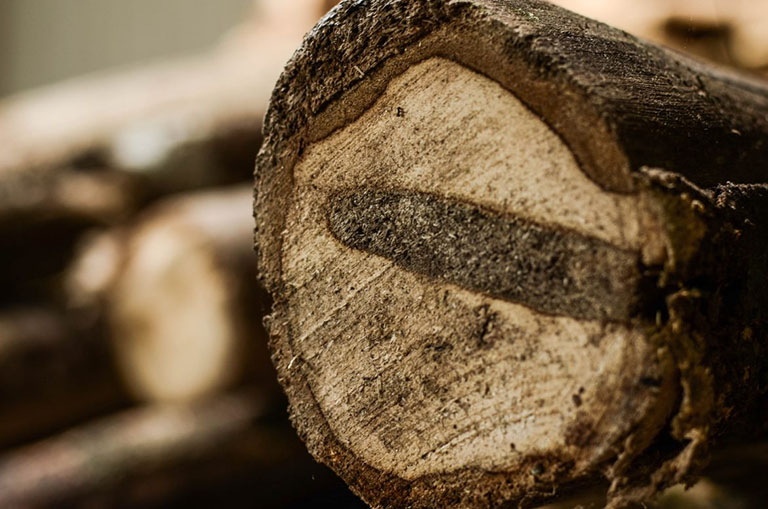
Trầm hương và kỳ nam là phân gỗ thơm của cây Trầm
Tên khoa học: Aquilaria agallocha Roxb/ Aquilaria crassna Pierre.
Họ: Trầm (danh pháp khoa học: Thymelaeaceae)
Mô tả dược liệu trầm hương
Trầm hương và kỳ nam có dược tính giống nhau. Tuy nhiên kỳ nam có giá thành rất đắt đỏ (dao động từ 2 – 7 tỷ/ kg) nên nhân dân thường ưu tiên trầm hương để làm thuốc.
1. Đặc điểm của cây trầm hương
Kỳ nam là loại thân gỗ to, chiều cao từ 30 – 40m, vỏ ngoài có màu xám tro. Phiến lá mỏng, mọc so le, mặt trên màu xanh bóng, mặt dưới có màu nhạt hơn và được phủ lông. Lá hình thuôn, rộng 3 – 6cm, dài 8 – 10cm, đầu và cuống đều nhọn. Cuống lá được phủ lông mịn, dài 4 – 5mm và mặt trên các rãnh.
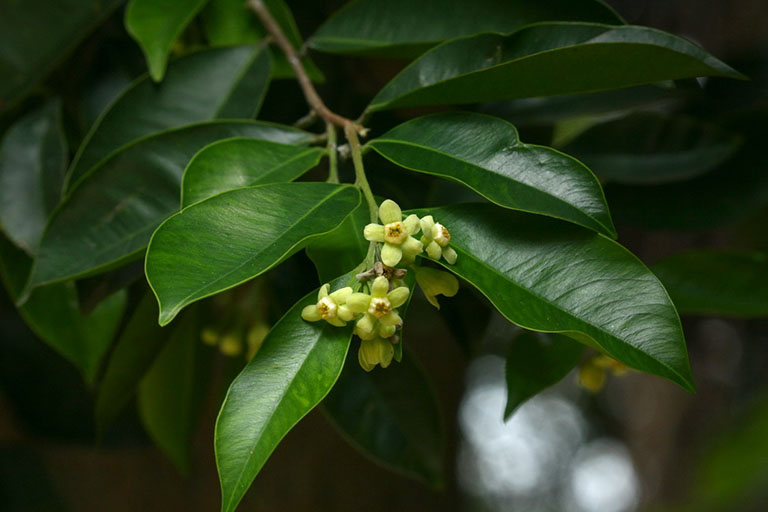
Lá cây trầm mọc so le, hoa mọc thành từng chùm hoặc từng tán và thường mọc ở kẽ lá
Hoa mọc thành từng chùm hoặc từng tán, thường mọc ở kẽ lá và thường có màu trắng xám. Quả nang, hình lê, rộng 3cm, dài 4cm và có lồng.
2. Bộ phận dùng
Phần gỗ chứa nhựa thơm của cây trầm hương. Phần gỗ hóa trầm thường xuất hiện ở những cây kỳ nam già và nhiễm loại nấm Cryptosphaerica mangifera. Trầm hương có hình dáng đa dạng nhưng đều có mùi hương rất thơm, đặc biệt khi đốt.
Hiện nay trên thị trường có 3 loại trầm hương:
Loại I màu gỗ đen bóng và chìm khi thả xuống nước thường được sử dụng để làm hương liệu, có tên gọi là Kỳ hương.
Loại II có màu xanh sẫm không đều, thả xuống nước thì nửa chìm nửa nổi được dùng để làm dược liệu, có tên gọi là Trầm hương.
Loại II chất lượng kém hơn, gỗ màu trắng đục và nổi hoàn toàn trên mặt nước được sử dụng để làm nhang (hương) đốt.
3. Phân bố
Cây kỳ nam mọc hoang nhiều ở Thừa Thiên Huế, Hà Tĩnh, Nghệ An, Đà Nẵng, Quảng Nam, Bình Thuận trải dài xuống các tỉnh Tây Nam Bộ.
4. Thu hoạch – sơ chế
Sau khi thu hoạch phần gỗ đã hóa trầm, đem chẻ thành từng mảnh nhỏ rồi phơi trong bóng râm cho khô. Sau đó đem tán bột mịn để dùng dần. Tránh phơi ngoài nắng hoặc sấy ở nhiệt độ cao vì có thể làm mất mùi thơm của dược liệu.
5. Bảo quản
Bảo quản trong lọ kín, đặt ở nơi khô ráo và thoáng mát. Tránh để dược liệu ở nơi có nhiệt độ cao và ánh nắng trực tiếp.
6. Thành phần hóa học
Trầm hương chứa tinh dầu, trong đó gồm có 11% terpen alcol, metoxybenzalaceton 53%, benzylaceton 26% và một số acid amin.
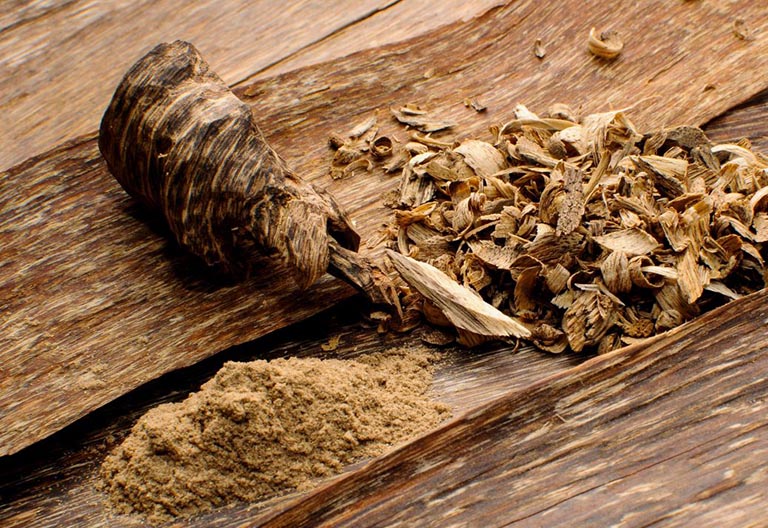
Trầm hương có vị đắng, cay, tính ôn, tác dụng hành khí, kiện vị, noãn thận, tráng nguyên dương,…
Vị thuốc kỳ nam – trầm hương
1. Tính vị
Vị cay, đắng, tính ôn.
2. Quy kinh
Quy vào kinh Tỳ, Vị và Thận.
3. Kỳ nam có tác dụng gì?
– Theo Đông Y:
Công dụng: Giảm đau, noãn thận, kiện vị, giáng khí, tráng nguyên dương và ôn trung.
Chủ trị: Suyễn cấp, khí nghịch, chứng tinh lạnh ở nam giới, tiêu chảy, thận hư, chống nôn, bí tiểu tiện
– Theo nghiên cứu dược lý hiện đại:
Kỳ nam có tác dụng giảm biên độ co bóp ruột ở mèo được tiêm acetylcholine. Ngoài ra, thuốc còn làm giảm nhu động tự nhiên của đường ruột.
Dạng chiết của dược liệu có tác dụng chống co thắt cơ trơn và ức chế co bóp tự chủ của hồi tràng chuột lang do acetylcholine và histamine gây ra.
4. Cách dùng – liều lượng
Trầm hương thường được sử dụng ở dạng bột hoặc hoàn. Liều dùng trung bình từ 1 – 4g/ ngày.
Một số bài thuốc trị bệnh từ kỳ nam – trầm hương
1. Bài thuốc chữa hen khí phế quản
Chuẩn bị: Trắc bách diệp 3g và trầm hương 1.5g.
Thực hiện: Đem tán bột mịn và dùng uống trước khi ngủ.
Lưu ý: Không áp dụng bài thuốc này cho người âm hư hỏa vượng.
2. Bài thuốc trị đau dạ dày, đau bụng và nôn mửa
Chuẩn bị: Nhục quế, đinh hương và trầm hương mỗi vị 10g, hoàng liên và bạch đậu khấu mỗi vị 8g.
Thực hiện: Đem dược liệu tán nhỏ, mỗi lần dùng 1g. Sử dụng nước nóng chiêu thuốc, ngày uống từ 3 – 4 lần.
3. Bài thuốc chữa chứng bệnh do xúc động tinh thần khiến khí dồn lên thở gấp, người buồn bực và không muốn ăn uống
Chuẩn bị: Hạt cau (binh lang), ô dược, trầm hương và nhân sâm mỗi vị 6g.
Thực hiện: Đem các vị sắc lấy nước uống, ngày sắc 1 thang.
4. Bài thuốc trị bệnh nặng gây nôn ói và phát nấc liên tục
Chuẩn bị: Hạt tía tô, đậu khấu và trầm hương các vị bằng lượng nhau 4 – 6g.
Thực hiện: Sắc với nước uống và dùng hết trong ngày.
5. Bài thuốc trị chứng xúc động mạnh gây khó thở, tức ngực
Chuẩn bị: Nhân sâm và bột trầm hương mỗi thứ 2 chỉ.
Thực hiện: Đem hãm với 1 tách nước sôi trong khoảng 10 phút rồi dùng uống.
6. Bài thuốc hỗ trợ điều trị nam giới bị suy giảm chức năng sinh lý, thường xuyên lạnh ở bụng dưới và chân tay
Chuẩn bị: Chích cam thảo, ngũ vị tử, quế chi, nhân sâm và bột trầm hương.
Thực hiện: Hãm với nước sôi trong 10 – 15 phút và dùng uống hằng ngày.
7. Bài thuốc trị khí suyễn và các chứng thực khiến bụng trướng
Chuẩn bị: Mộc hương 4g, chỉ xác 8g, trầm hương 2g và hạt củ cải 12g.
Thực hiện: Sắc lấy nước uống, ngày dùng 1 thang.
8. Bài thuốc trị chứng suyễn do hư hàn
Chuẩn bị: Gừng sống 8g, phụ tử 12g và trầm hương 2g.
Thực hiện: Sắc uống hằng ngày.
9. Bài thuốc trị đau ngực và đau bụng do hàn ngưng khí trệ
Bài thuốc 1: Hương phụ 8g, sa nhân 4g, trầm hương 2g và cam thảo 8g. Đem sắc uống, ngày dùng 1 thang.
Bài thuốc 2: Chuẩn bị mộc hương 6g, ô dược 8g, cau 12g và trầm hương 4g. Sắc uống đều đặn mỗi ngày.
10. Bài thuốc trị tỳ vị hư lạnh gây nôn mửa, tiêu chảy, bụng sườn căng tức, đau vùng thượng vị
Chuẩn bị: Bào phụ tử, chích thảo, quan quế, bạch truật, nhân sâm, trầm hương, sa nhân, mộc hương, bào khương, đinh hương và bạch đậu khấu các vị bằng lượng nhau.
Thực hiện: Đem dược liệu tán bột mịn, mỗi lần dùng 9g thuốc bột thêm vào 1 quả đại táo và 5 lát gừng tươi. Đem sắc lấy nước, lọc bỏ bã, sử dụng khi đói và dùng thuốc còn ấm.
11. Bài thuốc trị kinh giãn đàm quyết do hàn đàm nội bế và chứng trúng phong khí bế (đột quỵ, lên cơn động kinh, hàm răng nghiến chặt)
Chuẩn bị: Nhũ hương, băng phiến và dầu tô hợp hương mỗi vị 20g, tỳ bạt, chu sa, bạch truật, thanh mộc hương, xạ hương, đinh hương, tê giác, hương phụ, trầm hương, kha tử, an tức hương và bạch đàn hương mỗi vị 40g.
Thực hiện: Nghiền các vị thành bột, gia thêm mật ong vào làm thành hoàn (viên nặng 4g). Ngày sử dụng từ 1 – 2 lần, mỗi lần dùng ½ – 1 hoàn uống với nước ấm.
12. Bài thuốc trị táo bón ở người lớn tuổi do cả khí huyết đều hư
Chuẩn bị: Ma nhân 12g, nhục thung dung 24g, trầm hương 2g.
Thực hiện: Tán thành bột mịn, trộn với mật ong làm thành viên. Mỗi lần dùng 12 – 20g, ngày uống 2 lần.
13. Bài thuốc trị viêm dạ dày
Chuẩn bị: Đinh hương 3g, nhục quế 3g, ba đậu sương 0.5g và trầm hương 2g.
Thực hiện: Tán bột mịn và trộn đều. Mỗi lần dùng từ 0.5 – 1g uống với nước ấm.
14. Bài thuốc trị đại tiến táo bón, váng đầu, ho suyễn, động kinh, rêu lưỡi vàng dày và dính do có thực nhiệt
Chuẩn bị: Mông thạch 40g, đại hoàng (chưng rượu) 320g, trầm hương 20g và hoàng cầm 320g.
Thực hiện: Đem các vị tán thành bột mịn, sau đó thêm nước vào làm thành viên hoàn nhỏ. Mỗi ngày uống 1 – 2 lần, mỗi lần sử dụng từ 2 – 12g tùy triệu chứng.
Cách nhận biết gỗ kỳ nam
Kỳ nam có giá rất đắt đỏ vì không phải cây trầm nào cũng có. Ban đầu phần gỗ bị bệnh sẽ tiết da chất dầu bao phủ các tế bào bị tổn thương và theo thời gian tạo thành trầm hương.
Tuy nhiên một số điểm trầm hương có thể biến đổi thành gỗ kỳ nam. Kỳ nam thường hình thành ở phần gốc hoặc rễ cây và chứa lượng tinh dầu rất lớn. Tinh dầu của kỳ nam không chỉ mùi thơm mà còn dẻo và sánh như sáp mật.
Hiện nay có 4 loại kỳ nam chính, bao gồm:
Hoàng kỳ: Gỗ có sắc vàng, chất cứng rắn và nặng.
Hắc kỳ: Gỗ màu đen như hắc ín do tinh dầu quyện vào từng sớ gỗ.
Thanh kỳ: Gỗ có màu ánh tím xanh, có loại ít dầu thì chất gỗ khô và cứng, loại nhiều dầu thì chất gỗ mềm hơn.
Bạch kỳ: Loại này rất hiếm và gần như chưa xuất hiện trên thị trường, Bạch kỳ là phần gỗ có màu trắng xám, mềm và chứa nhiều tinh dầu.
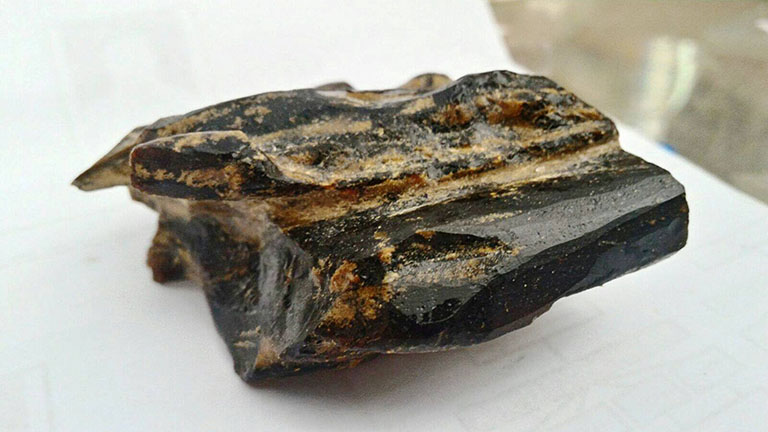
Nhận biết kỳ nam thường dựa vào hình dạng, hương thơm và mùi vị của gỗ
Cách nhận biết kỳ nam:
Sử dụng kính phóng đại sẽ nhận thấy gỗ kỳ nam có màu đỏ ánh kim, các thớ thịt xếp chồng lên nhau và có độ bóng đẹp.
Kỳ năm có hàm lượng tinh dầu cao nên có mùi rất thơm (mùi hương tựa như kẹo bạc hà). Nếu để sát gỗ kỳ nam gần mắt có cảm giác cay the và chảy nước mắt.
Nếm thử 1 ít gỗ kỳ nam và nhai nhẹ ở răng cửa sẽ thấy 2 răng dính vào nhau do tinh dầu có trong dược liệu. Sau đó đem miếng kỳ nam vào trong lưỡi sẽ cảm thấy vị cay tê kéo dài từ 10 – 20 phút.
Để tránh nhầm lẫn kỳ nam và trầm hương, bạn nên nếm thử để cảm nhận mùi vị. Thông thường, trầm hương có vị đắng hoàn toàn nhưng kỳ nam có vị đắng sau chuyển sang vị ngọt, chua và cay tê.
Ngoài ra, bạn có thể dùng 1 lượng nhỏ gỗ kỳ nam đốt sẽ thấy gỗ tỏa ra mùi hương mạnh, khói có màu xanh, bay thẳng tắp, cao và không bị đứt đoạn.
Trầm hương thường được sử dụng để làm hương liệu và làm thuốc. Trong khi đó, kỳ nam chủ yếu được dùng để làm nước hoa giúp an thần, dễ ngủ và xoa đuổi tà khí. Ngoài ra hiện nay người ta còn sử dụng kỳ nam – trầm hương để làm vật phẩm phong thủy giúp thu hút tài lộc, tránh xui xẻo và xua đuổi tà ma.
Thận trọng – Lưu ý khi sử dụng trầm hương
Không nên sử dụng cho người âm hư hỏa vượng và phụ nữ đang mang thai.
Thận trọng khi dùng cho người có khí hư hãm ở phần dưới.
Do giá trị kinh tế cao nên hiện nay có nhiều cơ sở kinh doanh trầm hương và kỳ nam kém chất lượng. Vì vậy bạn cần thận trọng khi chọn mua dược liệu. Ngoài ra, một số tác dụng chữa bệnh của dược liệu này chưa được chứng minh trên cơ sở khoa học nên cần chủ động tham vấn y khoa trước khi thực hiện.


0 comments:
Post a Comment